

Lunch and dinner menu with season ingredients
Learn to observe the local offer, choose seasonal ingredients and set up flexible lunches and dinners, with replacements and better enjoyment.
Station Food Menu: How to Organize in Routine
Station food menu it is the central subject of this guide, organized to facilitate decisions of preparation, routine and shopping. The menu suggestions with food from the season can be adapted to the preferences, budget and needs of each house.
Start with the real offer, not a closed list.
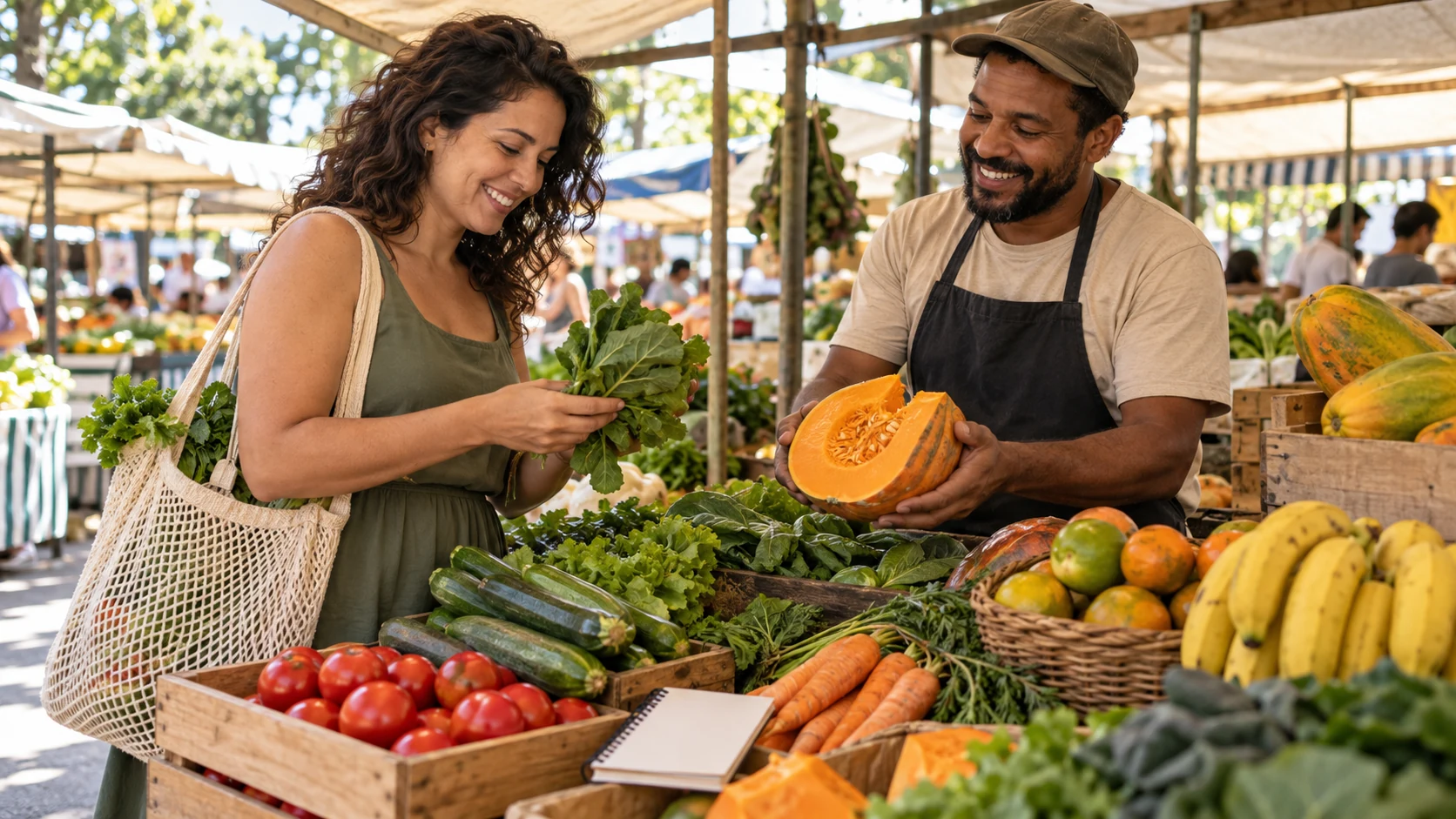
A seasonal menu begins before choosing recipes. It is born from the observation of what is available at the fair, in the bagel or in the market of the region. The appearance of the products, the quantity exposed, the informed origin and the price practiced help to understand which ingredients can occupy more space that week. This avoids putting together an entire plan around a rare, expensive or uninteresting item on the day of purchase. Use harvest calendars as guidance, not as a national promise. CEAGESP provides seasonal tables based on quantity and price in the São Paulo Terminal Station, comparing the months with data from the previous three years. This reference is useful to understand the method, but it does not automatically describe the offer of the entire Brazilian city. Climate, producing region, transportation and local events change availability and price. A Locally observed crop remains the most practical information for the week's purchase. Before leaving, choose categories, not mandatory products: a leaf, two vegetables, a fruit to accompany meals and a versatile ingredient for sauce, soup or roast. On purchase, select options that are firm, well maintained and at a compatible price. If the planned zucchini is bad, a chuchu, an eggplant or other vegetable available may assume a similar function, provided the recipe accepts the exchange. Register the month, location and items that appeared with good offer. After a few weeks, you'll have a little history of your region. This record is worth more than decorating an extensive list, because it connects planning to what actually comes to your table. The goal is not only to consume season products, but to use seasonality to guide possible choices without turning the menu into a strict rule.
Choose ingredients that fulfill more than one function
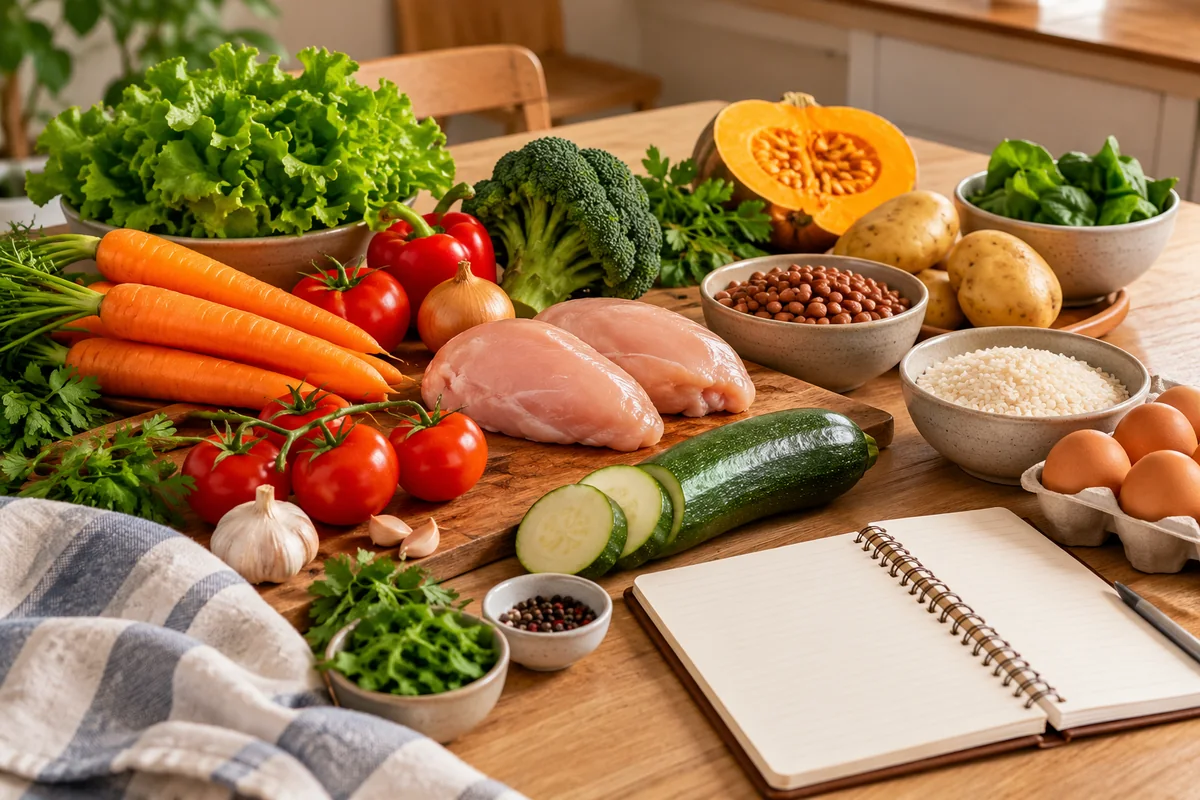
After observing the offer, select ingredients capable of appearing in different preparations. A pumpkin can turn into roasted cubes at lunch, cream at dinner and stuffing at another meal. Leaves can compose a salad, accompany a bowl and come in sauteed when suitable for cooking. Mature tomatoes can be served fresh, roasted or turned into sauce. This multiplicity reduces the need to buy many items in small quantities. Assemble the main group with three vegetables of different behaviors: one that bakes well, one that works cooked or sauteed and one that can be served fresh. Add onions, garlic, herbs or other spices already used by the house. Combine this set with known bases, such as rice, beans, lentils, pasta, couscous or cassava, and the protein sources chosen by the family. The idea of ingredient with more than one destination It doesn't mean repeating the same dish. It means taking advantage of the work of sanitizing, cutting and cooking in different combinations. Pumpkin baked with rice and beans does not produce the same experience as a pumpkin cream finished with herbs. A tomato sauce can accompany meatballs, eggs, pasta or a preparation with legumes. Buy according to likely income at home. A family who loves salad can use more leaves; another can enjoy better roasted vegetables. Avoid estimating quantities only by the appearance of the product. Write down how many meals each purchase produced and adjusted the following week. To structure the bases without losing variety, the planning of meals with rice, beans and varied accompaniments offers a complementary logic.
Turn the purchase into a lunch and dinner matrix
Instead of writing fourteen independent dishes, build a matrix with four columns: base, legume or protein, main vegetable and finalization. Each line can form a meal, but the components remain interchangeable. This structure facilitates reacting to leftovers, commitments, and changes in appetite without abandoning planning. Imagine the purchase brought pumpkin, zucchini, leaves and tomato in good supply. The bases available are rice and pasta; there are beans and lentils in the pantry; eggs and chicken were chosen as the house preference. Lunch can gather rice, beans, chicken and baked pumpkin. Dinner can use pumpkin cream with boiled eggs and leaves. The next day, rice, lentils and sauteed zucchini form another combination, while the pasta receives tomato sauce and vegetables. This one. lunch and dinner matrix you must reserve space for quick preparations and for meals assembled with what has already been ready. It is not necessary to cook an unprecedented recipe in each period. A more prepared component can appear twice when changing accompaniment, texture or completion. Also define which meals will be made outside, which days will have less time and when there is a chance to receive someone. Place the most delicate dishes near the day of purchase and leave resistant preparations or frozen components for the end of the week. If a leaf needs to be consumed first, it enters the first two days; roots and pumpkins can be planned later, respecting its conservation conditions. The matrix works as a map, not as a contract. Scratch, change and move meals when the routine changes. The control is in knowing which ingredients need to be used and which combinations are still possible.
Plan a model week that accepts exchanges
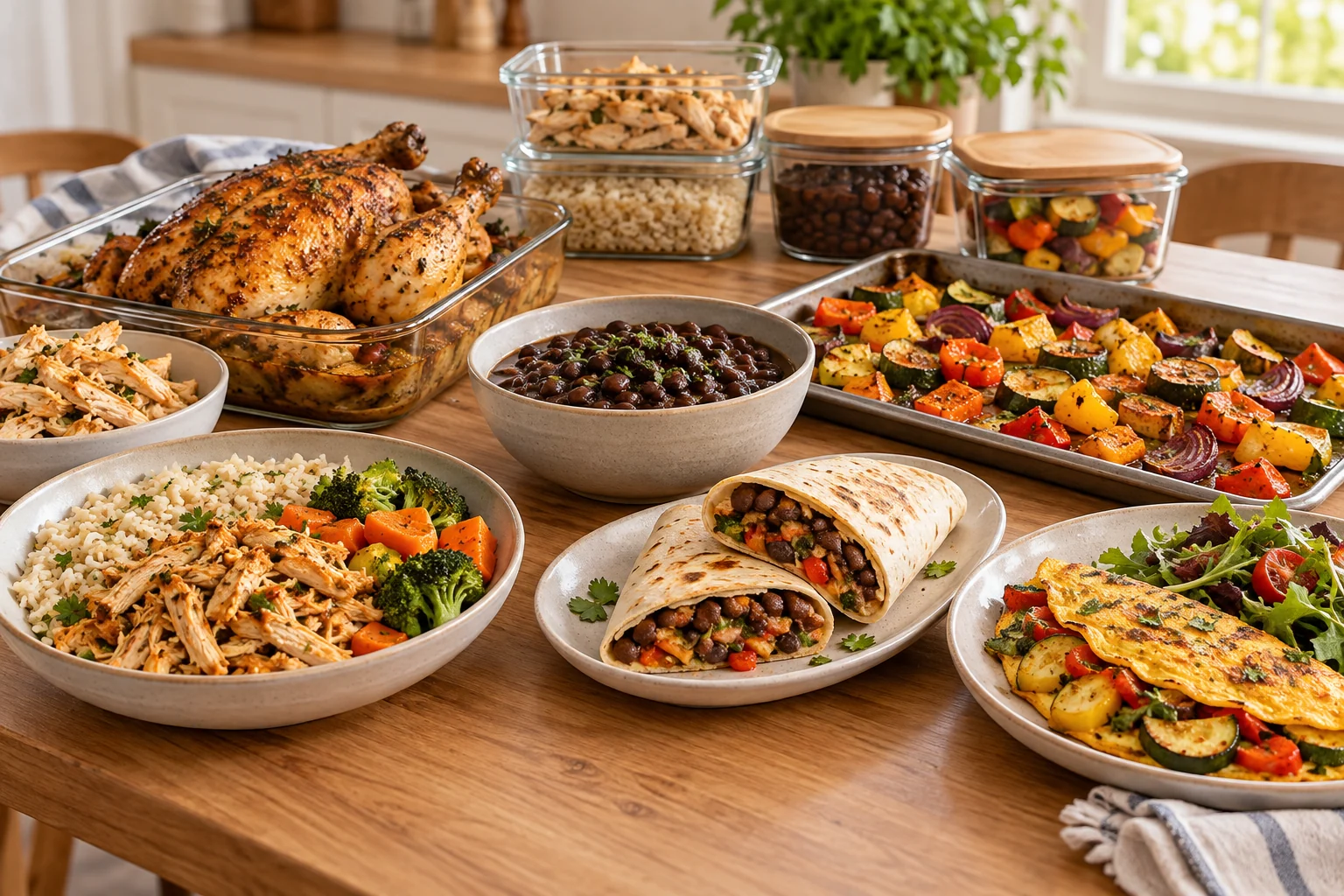
A model week can begin with two larger preparations and advance by planned reuses. On Monday, make rice, beans, a roasted vegetable and chicken or an alternative chosen. At night, turn part of the vegetable into soup or cream and complement it with eggs, lentil or other available option. On Tuesday, use rice and beans with leaves and other sauteed vegetables. Dinner gets tomato sauce, pasta and leftover vegetables. On Wednesday, combine lentil, pumpkin and a remaining base. At night, mount an omelet or equivalent preparation with vegetables and salad. Quinta can receive renovated rice, beans and a stew that enjoys tomato and zucchini. At dinner, use the broth, soup or stuffing left over. Friday stays open for the combination that consume the most mature items and free space. This example does not say that pumpkin, zucchini, leaves, and tomatoes will simultaneously be in good harvest everywhere. They represent culinary functions. Swap pumpkin for another root or vegetable that bakes well; replace zucchini with a vegetable suitable for saute; change the leaf and fruit as local offer. O menu that accepts substitutions is more consistent with seasonality than a fixed national list. Name the functions in your list: “legume to bake”, “vegetal to saute”, “leave for two days”, “fruit for four servings”. Then register the really purchased product. This technique maintains the intention of the menu when the fair presents different options. If the house has different times, leave separate components and indicate possible combinations. The flexible menu for families with different routines shows how to adapt portions and presence without cooking an exclusive dish for each person.
Buy for quality, price and probable use
Low price alone does not turn a product into good purchase. Before increasing the amount, check conservation, maturation, available space and how many meals will actually receive that ingredient. A promotional box can come out expensive when half spoils. Seasonal purchase works best when quantity and destination are decided together. Compare price per kilo or unit when this makes sense, but also observe the culinary yield. Products with usable parts in more than one preparation can deliver good results even without being the cheapest in banking. Splints and leaves suitable for consumption may enter sautes, broths or fillings when they are in good condition and are properly prepared. Not everywhere is edible; use reliable guidelines and do not improvise with unknown species. Adopt the rule buy only with probable destination. If three vegetables already cover the planned lunches and dinners, a fourth item should have clear use. Ask: when will you be prepared, on what basis will you be served and what will happen if the week changes? If there's no answer, maybe we should leave it to another purchase. Very mature products can serve for nearby consumption, sauces or cooked preparations; items intended at the end of the week need to support the storage period. Don't buy everything at the same maturation point. First organize the most sensitive and keep visible what should be used. Take proper bags and protect delicate leaves and fruits of excessive weight. At home, check the conditions of each food and store as applicable. Seasonal planning does not dispense hygiene, conservation and responsible disposal when there are signs of deterioration.
Prepare components without eliminating food texture
Pre-preparing should save work without turning all vegetables into the same thing. Hygien as appropriate, dry what needs to remain fresh and separate what will be used raw from what will go to the fire. Cut only the quantity compatible with the conservation period and the method chosen. Some ingredients keep better quality when they stay whole until close to use. Bake a tray with the main vegetable, prepare a sauce and leave a cooked base. These three movements already support several meals. Avoid seasoning all production in the same way. Book part with neutral seasoning and finish on the day with herbs, lemon, sauce or spices used by the family. A preparation in neutral components expands combinations without requiring a new full round of kitchen. Consider texture and cooking time. Firmer ingredients can enter first into the oven or pan; delicate items enter later. Do not mix everything just to reduce dishes if it compromises the result. A soup can enjoy already cooked vegetables, but the salad needs properly preserved leaves and assembly close to consumption. Separate utensils and surfaces according to the type of food and avoid contact between raw items that require cooking and ready preparations. Cool the cooked food safely, store in suitable containers and identify the contents. If you freeze part of the preparation, plan thawing and reheating before storing. The goal is to reach the meal time with reduced decisions: a ready base, a prepared plant, another still fresh and a protein or leguminous defined. This allows you to assemble lunch and dinner faster without anticipating each dish completely.
Use planned leftovers before opening new ingredients
Before you start your next meal, look at the open containers. A piece of baked pumpkin can complete a warm salad, rice or soup. Sausage vegetables can turn into stuffing. Tomato sauce may receive lentil, eggs or other chosen preparation. This transformation should be foreseen from the menu, not left for when the leftover has already lost quality. Create a visible area in the refrigerator for items that need to be used first. Label preparations with name and date and keep clear or well identified containers. A order of use guided by maturation helps consume delicate leaves, fruits and vegetables before the most resistant ingredients. A meal of enjoyment doesn't have to be a mixture of everything. Choose a base and two compatible components. If lunch left rice and vegetables, dinner can receive soup with vegetables and save the rice for the next day. If there's any sauce left, use it with another base. Planning remains responsible when it respects the taste, conservation and conditions of each food. Do not use the use as justification for consuming food in doubtful condition. Appearance and smell do not guarantee security. Consider the history of preparation and storage and discard when there is no trust. For ingredients that are still intact, adjust the menu before they become left over: anticipate the recipe, freeze when appropriate or reduce the next purchase. The method of the economical weekly menu with ingredients that yield different combinations helps to connect use and variety without relying on rigid recipes.
Review the plan when the offer or routine changes
Seasonality and routine are variable. Rain, transport, holidays and regional production can change prices and availability from one week to another. Commitment changes, too. So do a short review after the purchase and another in the middle of the week. Confirm what entered the home, the state of maturity and the meals that remain planned. If a product has not been found, replace it with the planned culinary function. If the bank offered a better item than expected, redistribute meals before buying more. If someone is not having lunch at home, reduce the preparation or turn the portion into dinner. A menu review based on stock It prevents the paper from remaining correct while the fridge tells another story. Use three simple markings: consume first, prepared and available for exchange. Delicate products are given priority; already cooked components enter the next meals; resistant ingredients can take the place of a missed purchase. Avoid creating such a detailed system that it is not updated. A sheet in the fridge or a note in the phone is enough when everyone understands. At the end of the week, record what was used, what was left and what replacement worked. Note also the difference between perceived price and real use. A slightly more expensive ingredient may have been better used; another cheap ingredient may have generated excess. This information refines the next purchase. Do not try to repeat the same menu every month. Keep the structure and change the ingredients. It is precisely this controlled change that makes seasonal planning useful: the house retains a known method while accompanying the offer of the period.
Build your first seasonal cycle into four decisions
To start, refer to an applicable seasonality reference and observe the local offer. First decision: choose three plants with different functions. Second: Set two bases and two options of legume or protein that are already part of the routine. Third, distribute the most delicate items at the beginning of the week. Fourth: book a meal to consume remaining preparations and ingredients. Write the plan in pairs. Second lunch and second dinner share a component; Tuesday reuse a base and introduce another vegetable; Wednesday combines what is already ready; Thursday uses the most resistant item; Friday closes the cycle. This one. short sequence of seasonal decisions is easier to maintain than an extensive collection of recipes. Make the list by categories and complete the names in the purchase. Just take the amount that fits in the plan and storage. When arriving, mark what needs to be consumed first and schedule a preparation block for bases, sauce and a vegetable. The other ingredients remain available for completion or exchange. During the week, do not force a dish just because it was written. If the offer, maturation or schedule has changed, move meals while preserving the use of the most sensitive items. The success of the plan is to reduce waste and improvised decisions, not to fulfill a grid without deviations. After the first cycle, keep what worked and change the ingredients according to the month and region. With observation, simple records and recipes that accept variations, lunch and dinner can accompany the season without losing practicality, identity or freedom of choice.
Shopping list
Mark the products you already put in the cart.
Community
Comments
Create an account or do login for favorite and leave your comment.
Loading comments...