

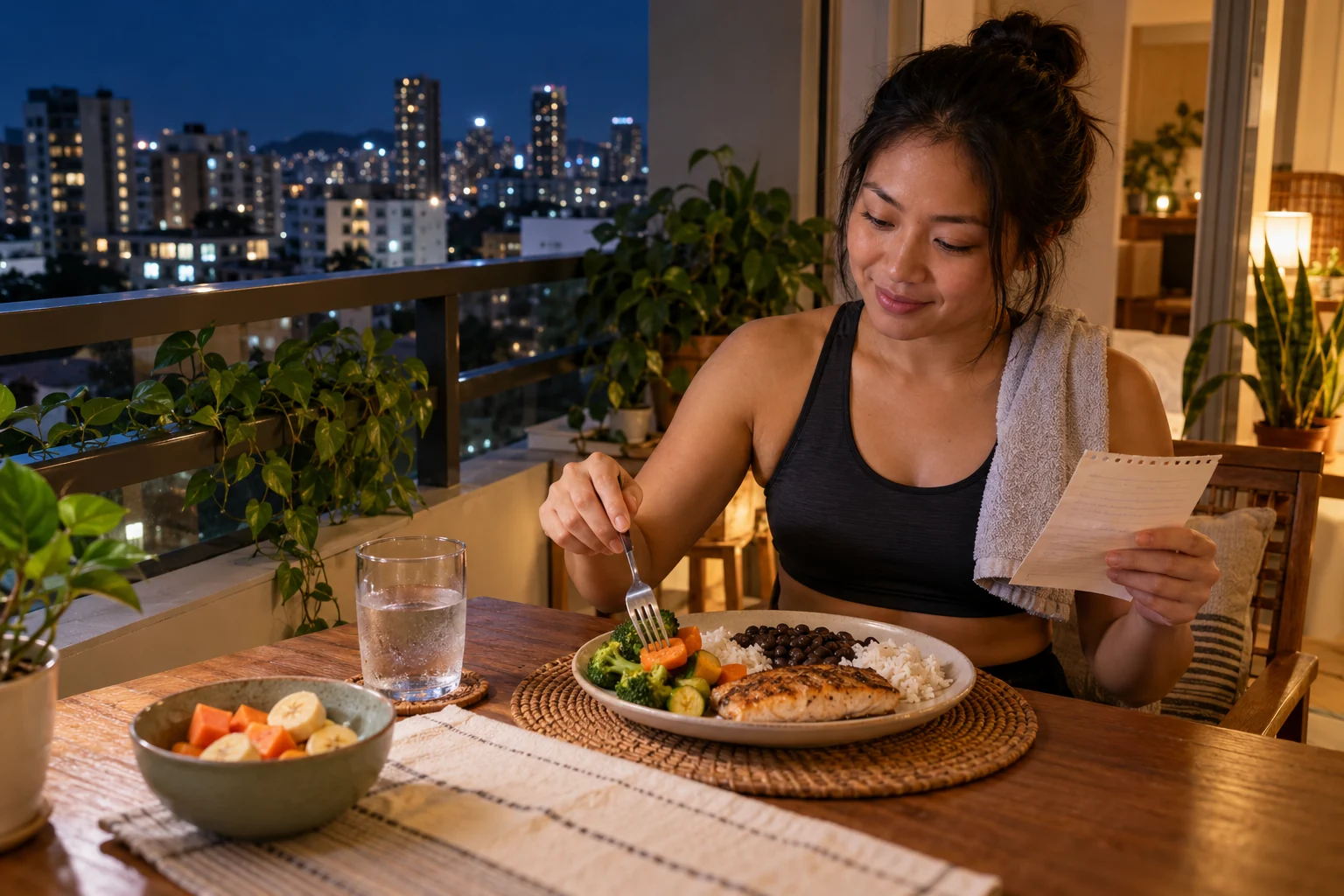
Night training: how to plan dinner and shopping list
Organize dinner for night training days with simple meals, versatile ingredients and a shopping list adjusted to your routine.
Dinner for those who train at night: how to organize in routine
Dinner for those who train at night it is the central subject of this guide, organized to facilitate decisions of preparation, routine and shopping. Dining suggestions for those who train at night can be adapted to the preferences, budget and needs of each home.
Dinner needs to fit into the training routine.
Who does? Night training He usually comes home with little time and a lot of hunger. Without planning, dinner can become improvised, ordered by app or a combination that does not satisfy. The solution is not to copy someone else's dish or follow a strict schedule. The interval since the previous meal, the type of training, appetite and individual tolerance change the choice. This guide organizes household ingredients and preparations without prescribing calories, protein, supplements or portions. It also does not promise hypertrophy, slimming, recovery or performance. People with diabetes, kidney disease, reflux, allergies, intolerances or other conditions need individual guidance. The goal is to leave a possible meal forwarded before going out to practice, reducing tiring decisions at the end of the day.
Plan before and after as parts of the same night
O night food planning starts by checking what time lunch and afternoon snack took place. Some people arrive at training after a recent meal; others need a simple snack first. Dinner may also vary: those who come back early may prefer a full meal, while those who finish very late may choose a smaller preparation and reorganize the rest of the food. There is no universal window that serves everyone. The scientific position on nutrient distribution recognizes that time, meal size and exercise context matter, but this does not turn a general recommendation into prescription. Test usual combinations on ordinary days and observe comfort, hunger and sleep. Specific sports goals require nutritionist.
Mount the dish with food you already know how to prepare
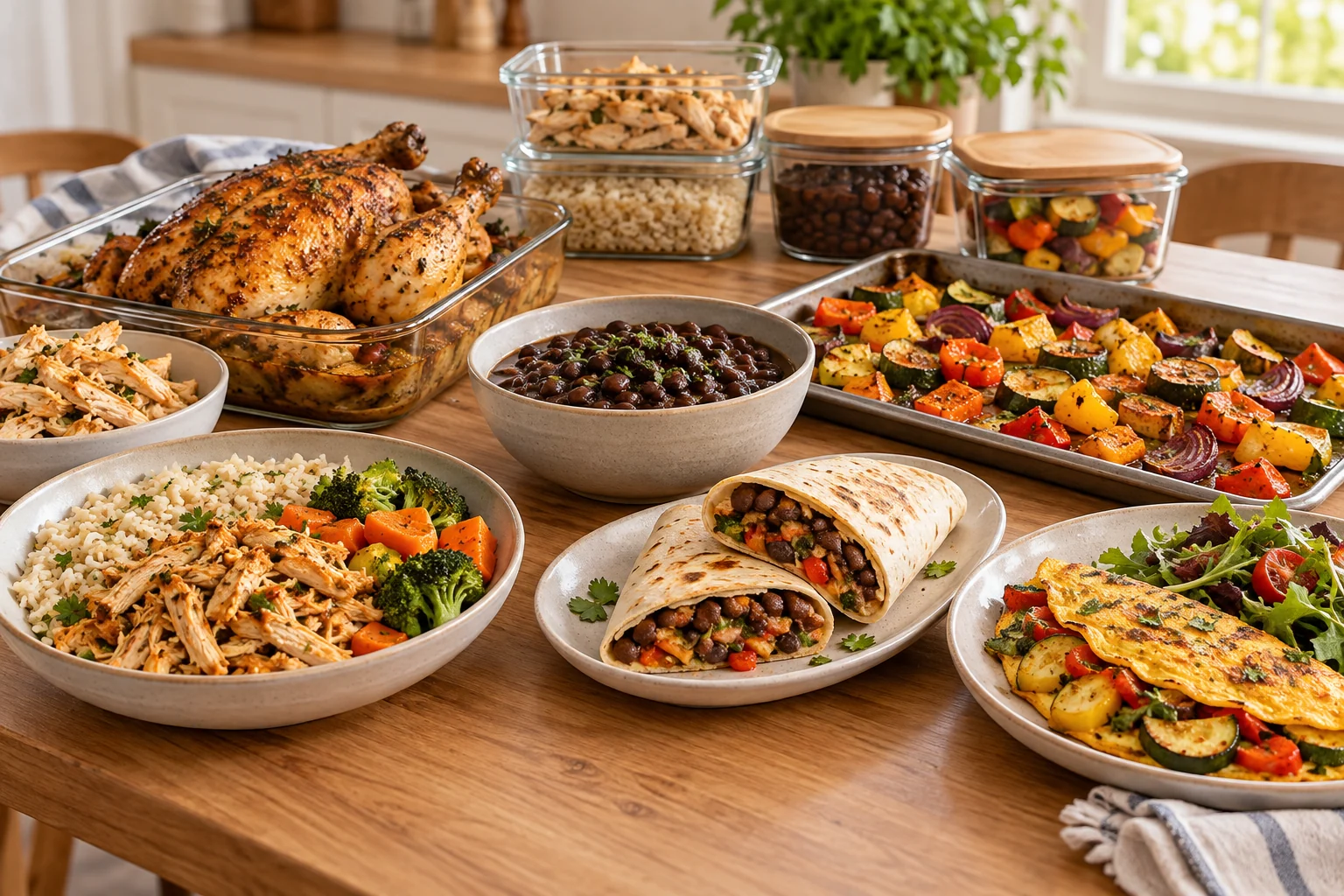
One After-workout dinner can use the same structure of other meals of the house: rice and beans with chicken and vegetables; fish with cassava and vegetables; omelet with bread and tomatoes; pasta with meat and vegetables; or lentil with rice and eggs. It is not mandatory to use sweet potatoes, grilled chicken or supplement. The Food Guide for the Brazilian Population values natural or minimally processed foods and culinary preparations. In practice, choose a carbohydrate base, a protein and vegetable source that matches the routine. Carbohydrates at dinner do not need to be eliminated by generic rule. Quantity, composition and need depend on the whole of the food and the person. Prefer known combinations that can be assembled quickly and stored safely.
Leave evening meals routed
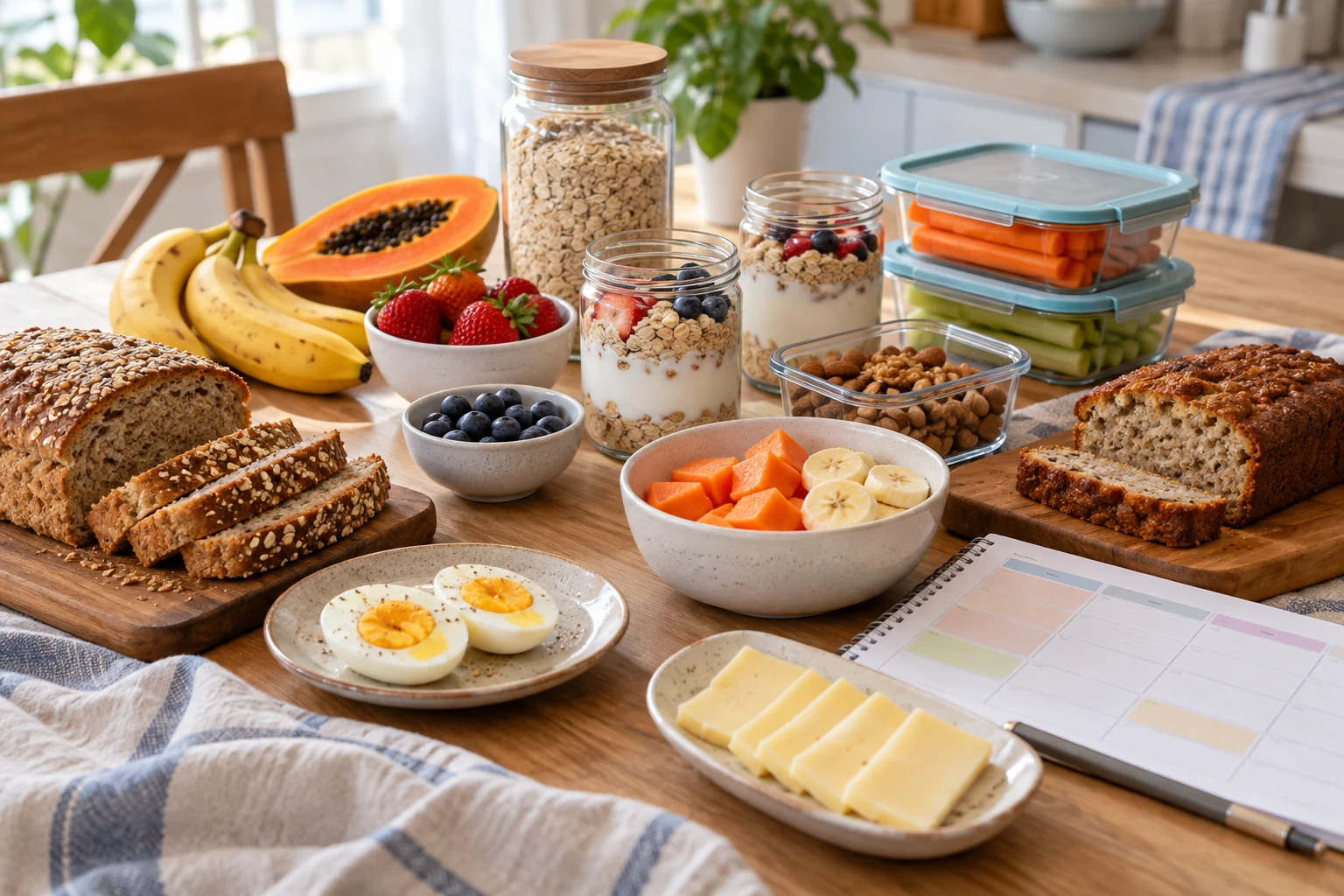
The best practical night meals These are the ones that require few decisions after training. Cook beans or lentils and freeze portions. Leave rice ready for the first few days or separate a quick alternative such as couscous or pasta. Prepare shredded chicken, ground meat or roasted vegetables in quantity compatible with consumption. Eggs help when planning fails, as long as they are cooked completely. Cold leaves, tomatoes and supplements can be cleaned and stored appropriately. You don't have to cook all week at once. Anticipating a base and a protein already reduces work. If the meal is frozen, program thawing under refrigeration, not over the sink.
Buy ingredients that work in more than one recipe
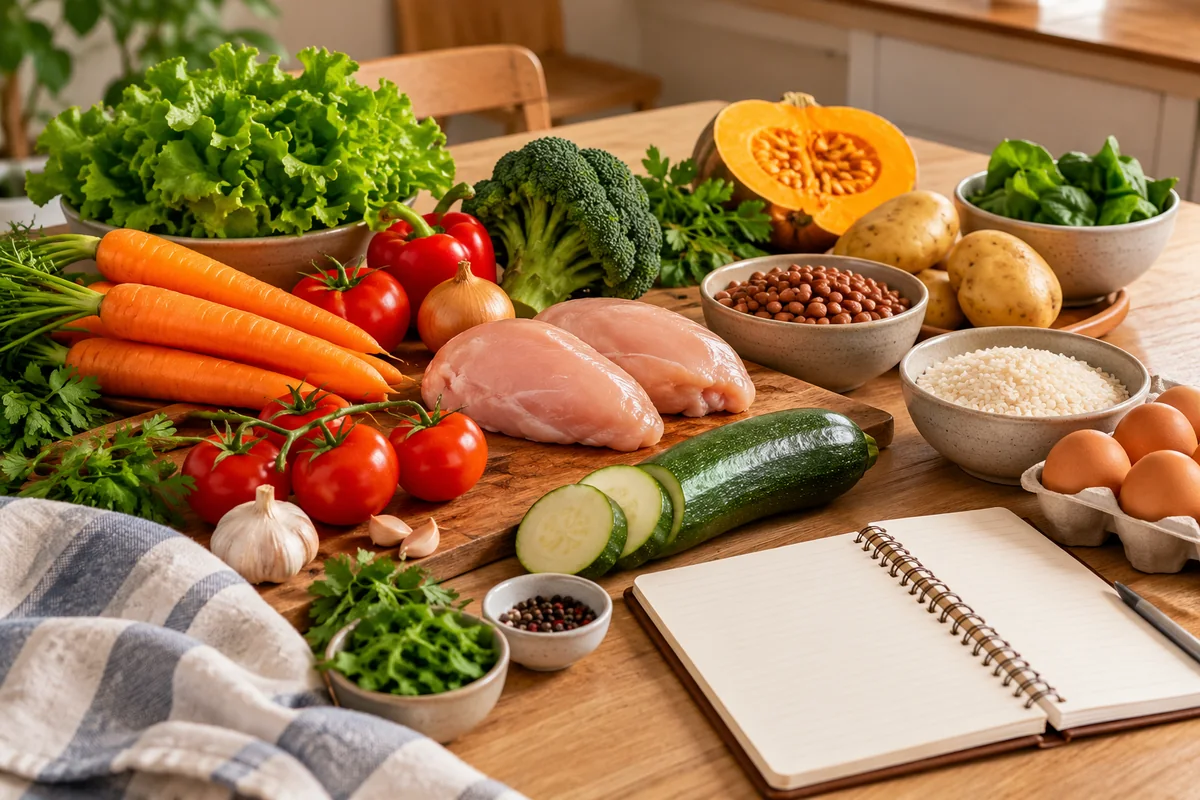
A shopping list for gym You need to take care of the house, not just the moment after the exercise. Rice, beans, eggs, chicken, fish, meat, lentils, noodles, potatoes, vegetables and fruits can take part in different meals. Choose accessible proteins according to price, preference and storage capacity. Chicken may appear grilled and shredded; eggs enter omelet, couscous or rice; lentil works in soup or accompaniment. Avoid buying various products labeled as protein without a plan of use. Check stock, meals out and space in the freezer before setting quantities. A larger package only saves when it will be consumed on time and stored correctly. The interactive list of this page should be adjusted to the number of residents and the days actually cooked at home.
Organize preparation without compromising safety
Boiled and perishable foods need to be refrigerated properly. Anvisa advises that preparations made in advance be stored under refrigeration and reheated when serving. Raw meat should remain separate from ready-to-eat food. Use clean boards, knives and containers and cook meat and eggs completely. Identify portions with content and date. If you take dinner to work or consume before you go to the gym, use a thermal bag when there is no immediate refrigerator. Don't leave the lunch in the car. A feed for bodybuilding does not suspend basic hygiene, conservation and transportation care. When smell, appearance, packaging or storage conditions cause doubt, do not try to take advantage of the food just to avoid financial loss.
Avoid turning dinner into a list of prohibitions
A common mistake is to believe that eating at night prevents results, while another one is overreacting in the meal because the training was intense. None of these rules work for all people. Nor is it necessary to exclude rice, beans, bread or fruit because of the time. Observe the set of food, comfort after eating and professional guidance when needed. Another problem is testing stimulants or supplements at night without evaluating sensitivity, health and labeling. This content does not recommend caffeine, whey, creatine or dose of any product. If there is individual indication, check regularization, ingredients, allergens, warnings and restrictions. Dinner should be a possible and pleasant meal, not a compensation for training or a test of discipline.
Turn the plan into an executable purchase
No Anota na Lista, remove the items already available and dry group, vegetable, proteins and refrigerated. Set some dinner combinations before buying, but keep flexibility for price and availability. If the fish is expensive, change the preparation; if there is lunch outside, freeze the portion that will not be used. Register which meals were fast, which ingredients were left and which were missing. This history improves the next purchase without creating a rigid menu. Take meats, dairy and frozen near the end of the course and guard them as soon as you arrive. An efficient list connects ingredients to concrete meals. It does not need to be long or contain special products: it needs to be compatible with the training schedule, budget and actual cooking ability.
Consulted sources and content limits
The general guidelines follow the Food Guide for the Brazilian Population, with priority for natural or minimally processed foods and culinary preparations. The cooling, reheating and thawing care was verified in official Anvisa materials. The context of mealtime considers the position of the International Society of Sports Nutrition on nutrient distribution, without reproducing doses or turning sports guidelines into individual prescription. Recipes and the checklist are examples of domestic organization. Needs for energy, protein, carbohydrate, supplementation and time depend on health, training and the rest of the diet. Seek professional guidance when there is a specific clinical condition, competition or goal.
Shopping list
Mark the products you already put in the cart.
Community
Comments
Create an account or do login for favorite and leave your comment.
Loading comments...