

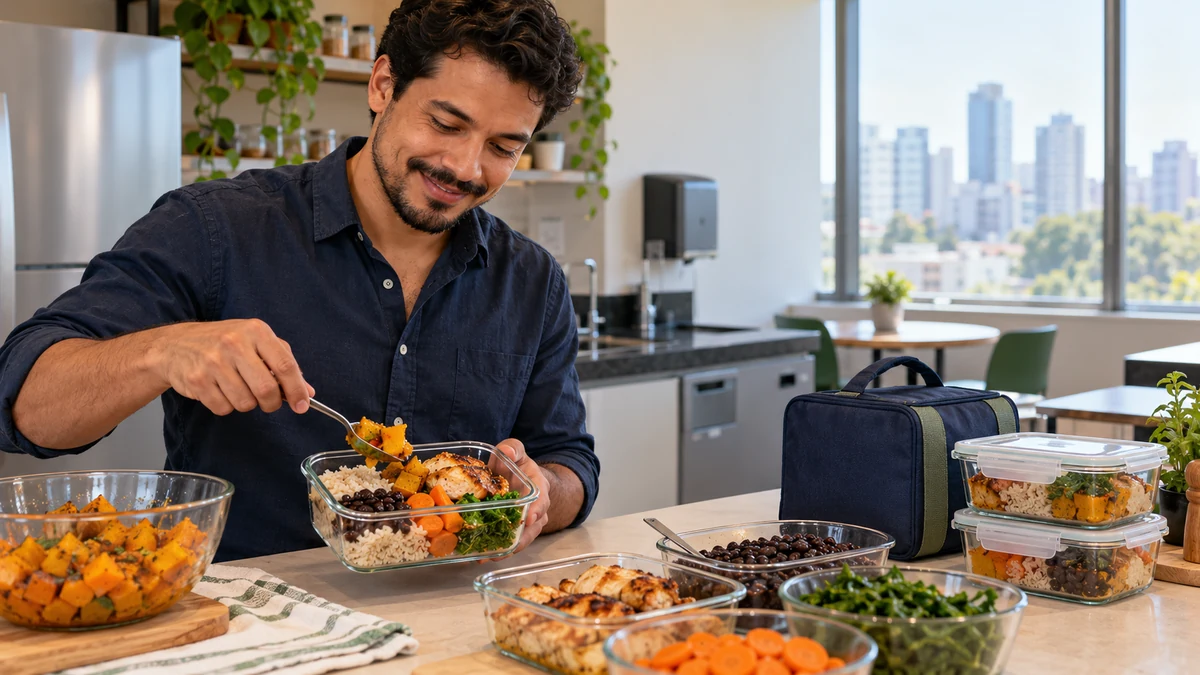
Homemade marmites for work with organized preparation
Plan lunches for work with varied combinations, preparation in sequence, responsible storage and a practical shopping list.
Marmites for work: how to organize in routine
Marmites for work it is the central subject of this guide, organized to facilitate decisions of preparation, routine and shopping. Suggestions about work lunches can be adapted to the preferences, budget and needs of each home.
Start with the work routine, not the recipes.
Before choosing the menu, count how many lunches will actually be made at work. Consider external meetings, remote work days, appointments, and meals already scheduled. Prepare five pots when only three will be used turns organization into leftovers. A useful plan begins with the actual number of days and leaves a small margin for change. Also check what is on site: fridge, freezer, microwave, sink and space to store cutlery. The time between leaving the house and cooling the food changes the form of transportation. This one. Work routine map avoids choosing preparations that do not match the available structure. If the office has no microwave, for example, plan options that can be consumed cold and keep the ingredients properly refrigerated.
Assemble components that form different lunches
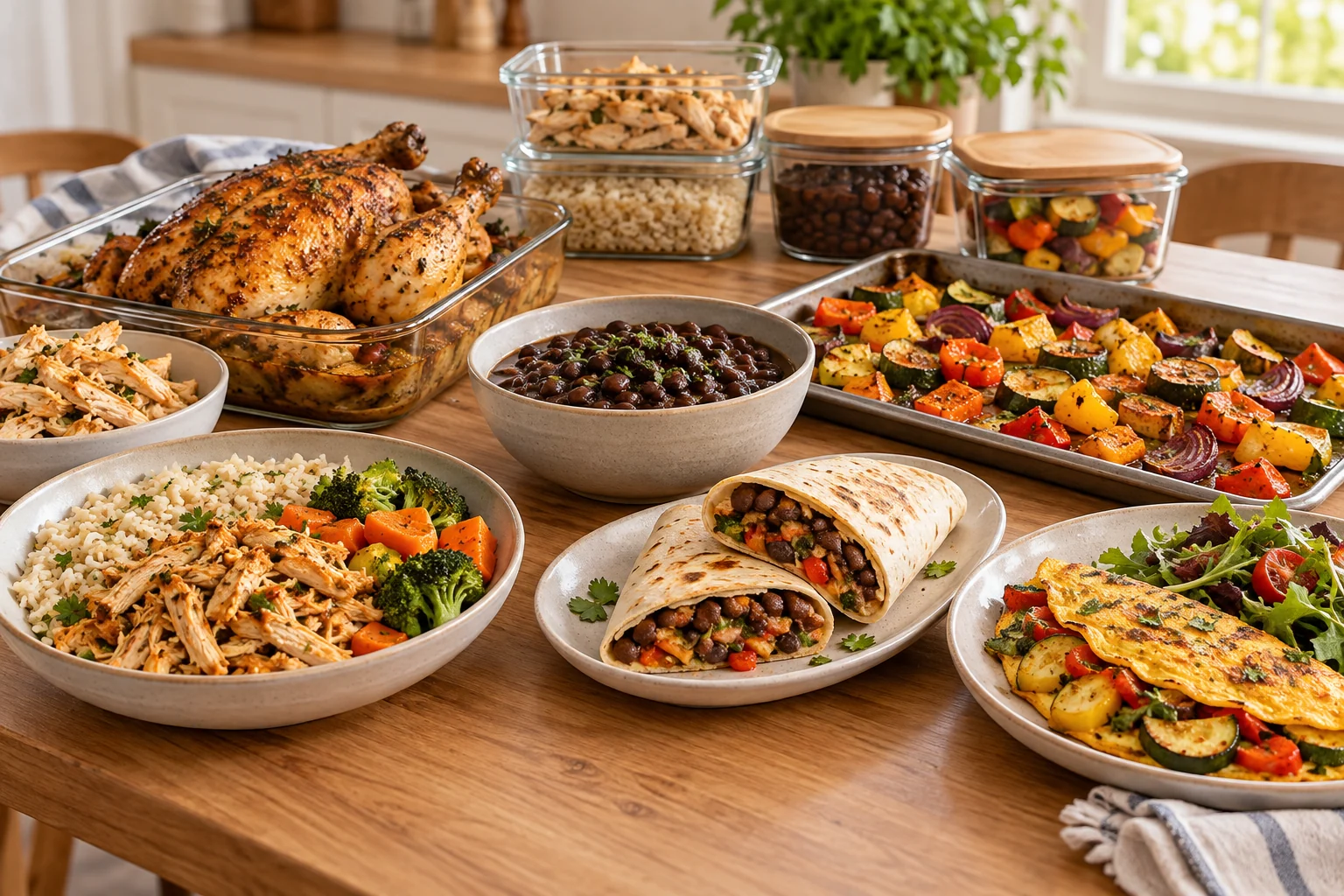
Instead of cooking five complete recipes, prepare components that talk to each other. A rice base, a small pot of beans, roasted or shredded chicken, eggs, oven vegetables and separate leaves allow you to vary without multiplying pots. The same carrot can be baked for one lunch and grated to accompany another; the chicken can appear in cubes, shredded with sauce or combined with beans. Use one versatile base of preparations: two accompaniments, two protein options and three vegetables with different textures. To enlarge the combinations without increasing the purchase too much, see economical weekly menu with versatile ingredients. The goal is not to turn each pot into an unprecedented recipe, but to change sauces, cuts and accompaniments in a practical way.
A possible example for five days
This example is just an organization reference and can be adjusted to each person's preferences, appetite and professional orientations. Monday: rice, beans, roast chicken and pumpkin. Tuesday: rice with vegetables, boiled egg and seasoned carrot. Wednesday: Short noodles with shredded chicken and tomato sauce. Thursday: rice, beans, roasted vegetables and omelet made the night before. Friday: chickpea salad with chicken, tomato and leaves kept in separate container. This one. sequence of five lunches uses repeated ingredients in different formats. Wet sauces can be taken aside to preserve texture. Leaves, fruits and items that will be consumed cold should not share the same container of foods that will be heated.
Organize preparation to reduce waiting and dishes
Start with what takes the longest. Put the beans to cook, heat the oven and cut the vegetables. While rice and beans stay in the fire, bake the chicken, pumpkin and carrot. Use the oven time to prepare the tomato sauce, cook the pasta and sanitize the items that will be consumed raw according to the guidelines of the sanitizer used. Separate one area for raw food and one for cooked food, using clean utensils. Mount the pots only after checking the amount intended each day. Working in that order creates a continuous flow preparation: oven, pans and countertop advance together, without requiring all tasks to begin at the same time. In the end, cool and store the preparations without leaving them forgotten on the bench.
Hit portions before closing pots
The size of the container should accompany actual consumption, not the largest container available. Set up a portion similar to what you usually put on the plate at home and observe the result in the first week. If there is always rice left, reduce the next quantity. If there is no follow-up, increase vegetables or other preparation compatible with routine. For those who prepare only for themselves, it is worth comparing the quantities with the Weekly meals for those who live alone. A portion adjusted to consumption reduces waste and also facilitates cooling and reheating. Identify each pot with the contents and date, especially when part of the meals is frozen.
Store and transport with responsibility
There is no single deadline for any food and any refrigerator. Ingredients, preparation, temperature and container interfere in conservation. Quickly refresh what will be used in the first days and freeze the later portions when preparation permits. Disengelle inside the refrigerator or use the microwave when the food is heated immediately thereafter. If there is change in odor, dubious appearance or conservation, discard. The COVISA’s lunch care booklet advises you to separate cold items from those that will be reheated, use clean and closed containers, use the thermal bag with ice when the route is long, and put the lunch in the fridge or freezer when you get to work. To turn this care into a proportional purchase, see also shopping list for five simple dinners. This one. continuous conservation chain it is more important than following a rigid formula of weekly preparation.
Preserve texture in transport and reheating
Food with lots of water can release liquid after freezing. Roasted vegetables, more full-bodied sauces, beans with controlled broth and meats accompanied by moderate humidity usually deal better with reheating than fried and leaves mixed with hot food. Leave salad, cold sauce and crispy additions in separate pots. Use containers compatible with the freezer and heating method, following the manufacturer’s instructions. Open or remove the lid as indicated in the pot and heat it until the meal is evenly hot. At work, one marquee organized by temperature avoids heating leaves, fruits and seasonings that should remain cold.
Review the week before repeating the menu
On Friday, write down which pots worked best, which lost texture, what amount was left and on what day the routine changed. This review takes a few minutes and informs the next purchase. Perhaps four lunches are enough; perhaps it is better to cook twice; perhaps the sauce needs to travel separately. The method must adapt to life, not the other way around. In time, keep a short list of approved combinations and switch two or three each week. This one. practical review of the menu builds a reliable repertoire without relying on new recipes all the time. Marmites for work work better when planning, preparation and transportation are part of the same decision.
Shopping list
Mark the products you already put in the cart.
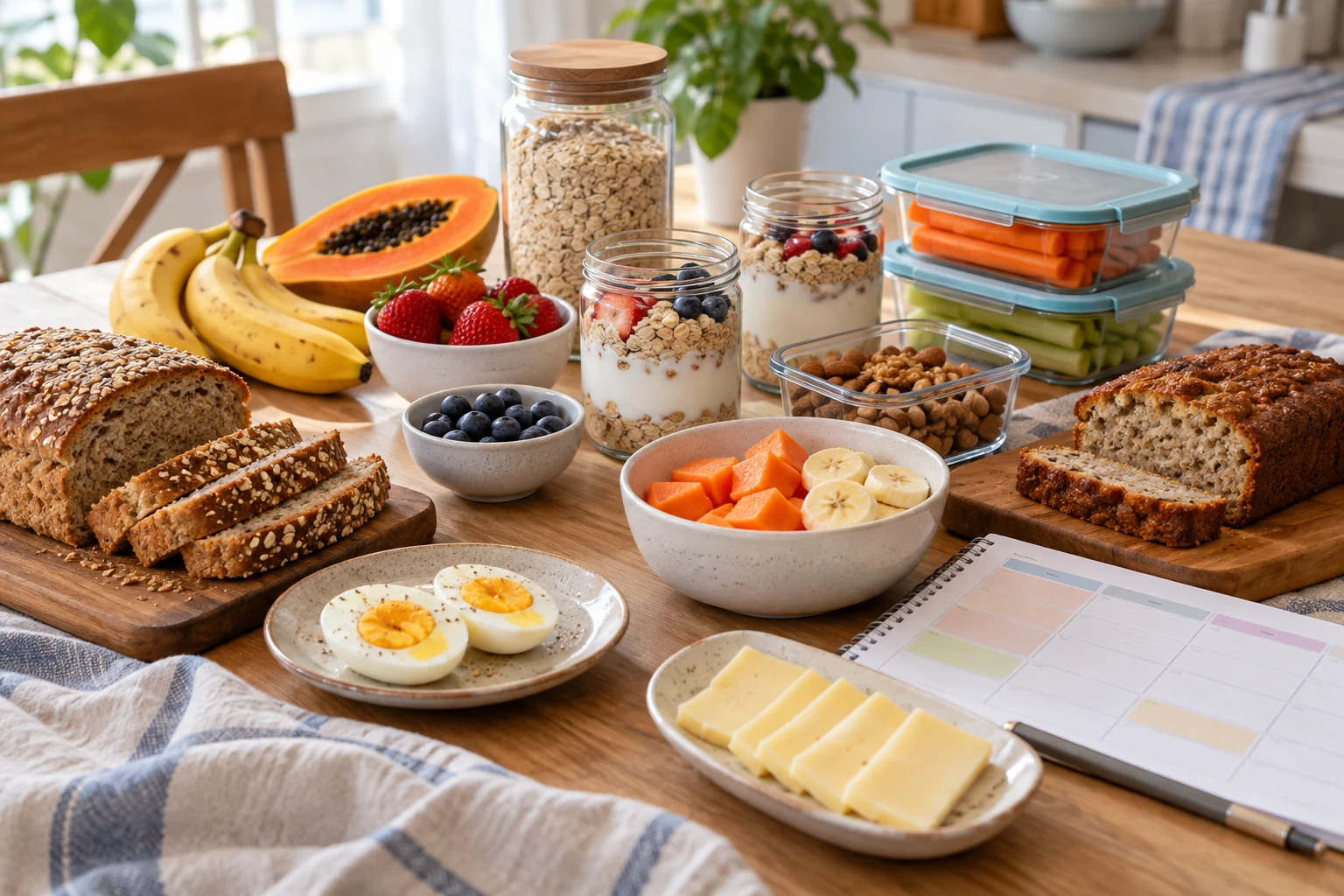
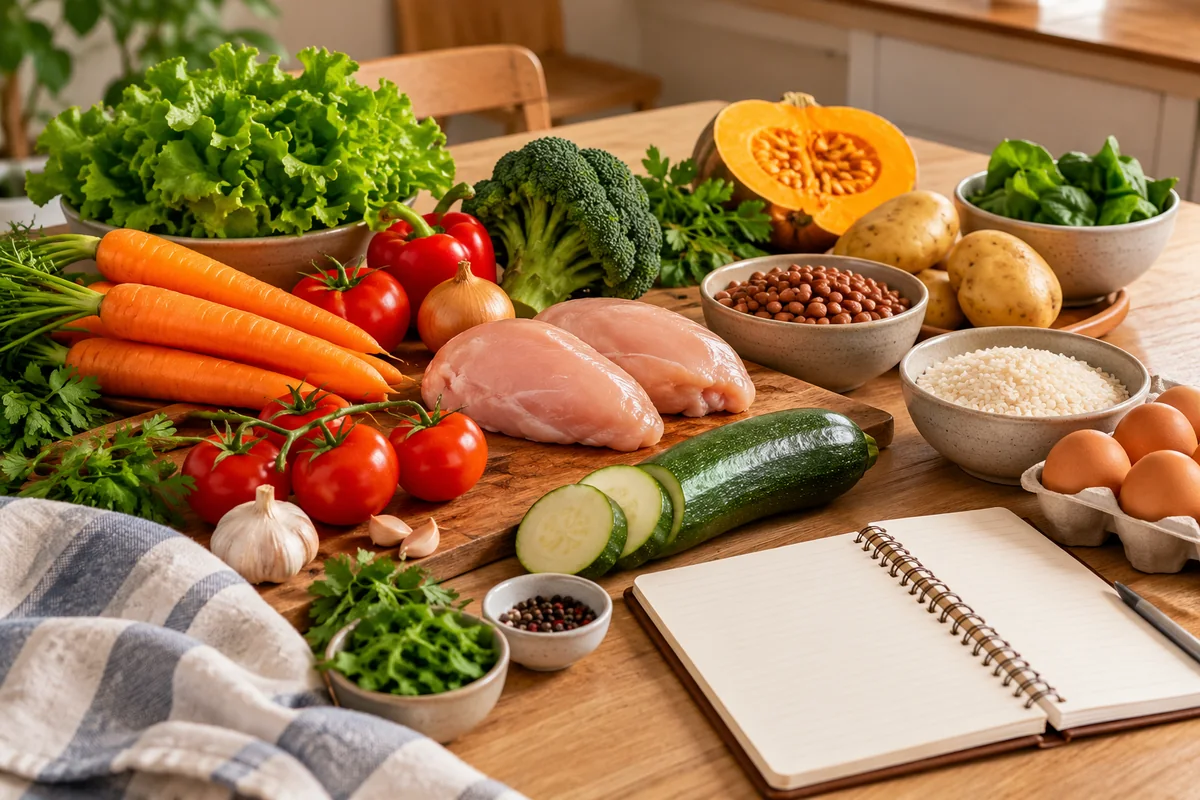
Community
Comments
Create an account or do login for favorite and leave your comment.
Loading comments...