Eggs and fruit became cheaper in São Paulo state supermarkets in September 2026, according to the Supermarket Price Index produced by APAS with Fipe and released on 11 November. Eggs fell 4.70% and fruit 1.15%. The overall index changed by 0.08%, indicating near stability.
The shopping bill did not move equally across every department. The scope matters: these are São Paulo state results for September. Their publication in November does not turn them into November prices or a nationwide Brazilian average. The distinction helps avoid comparing figures from different places or periods as though they described the same basket.
Which products became cheaper?
Alongside eggs and fruit, the survey recorded declines in other groups and items. September’s results included:
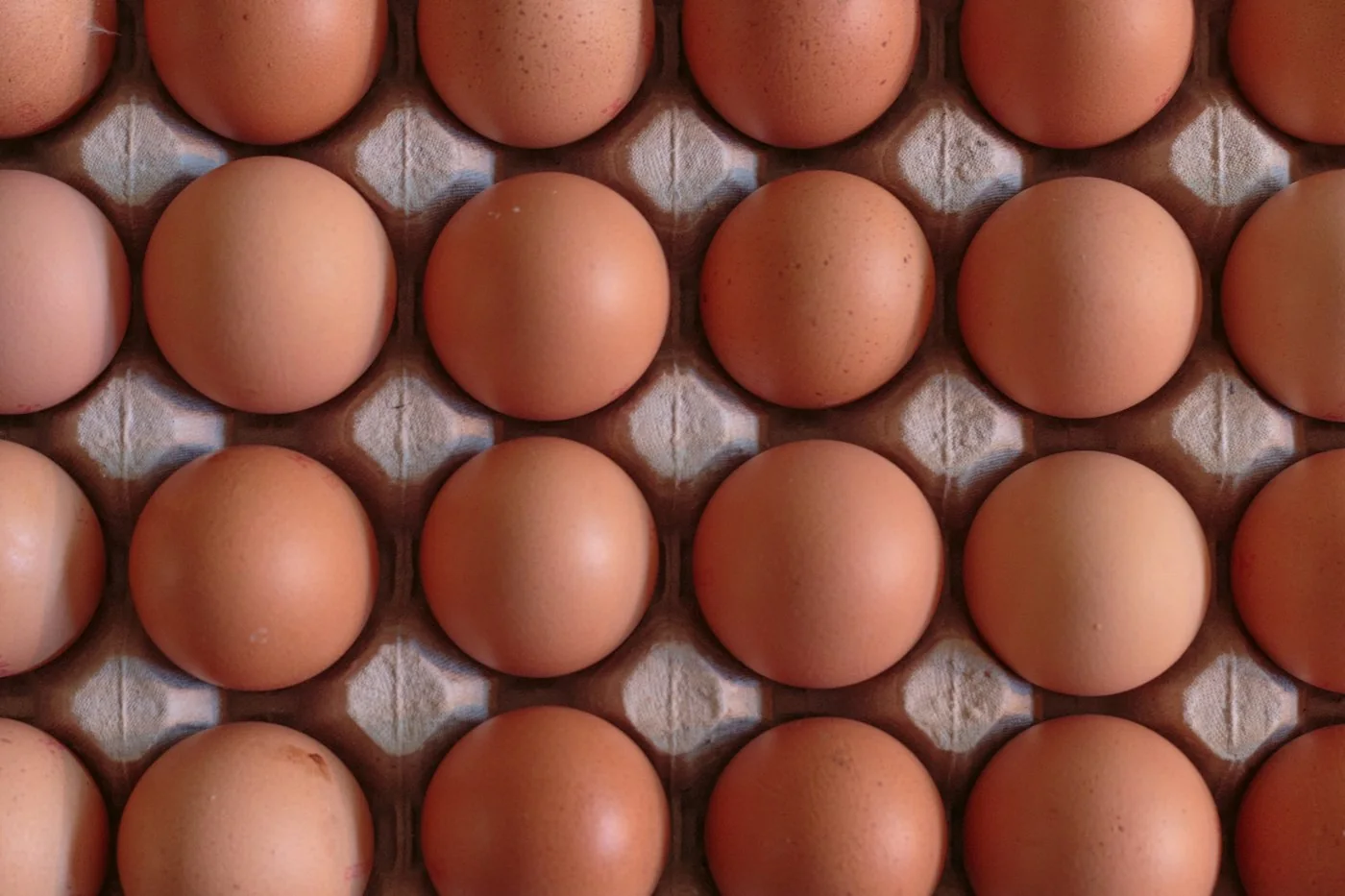
- Eggs: down 4.70%.
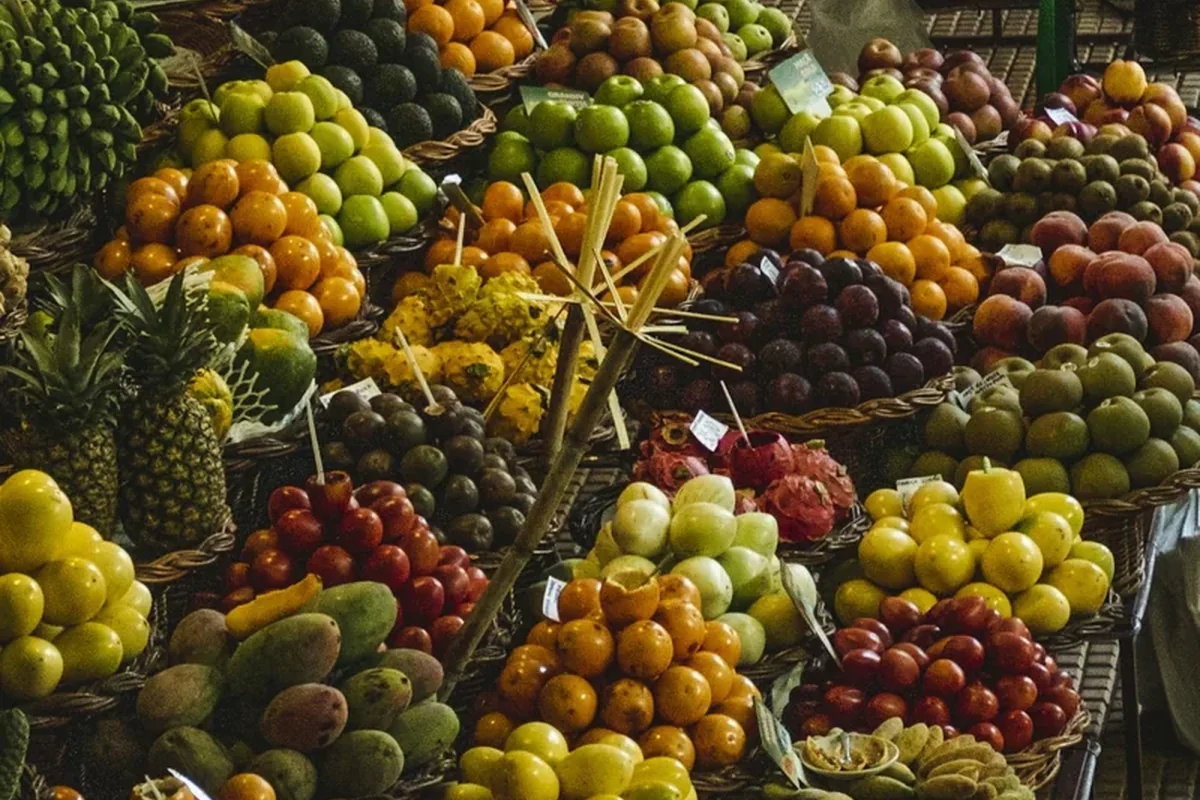
- Fruit: down 1.15%.
- Leafy vegetables: down 0.86%.
- Fish products: down 2.52%.
- Poultry: down 0.70%.
These percentages are not mandatory discounts at every store. The index tracks changes in surveyed prices, while individual labels depend on retailer, supplier and product. It also does not mean that every fruit or every kind of fish moved by the same amount. A household’s usual purchases may therefore show a different result from a category average.
How can the total be stable when some prices rise?
An index combines products with different weights. If some fall and others rise, their movements can offset one another. A total increase of just 0.08% can therefore coexist with much larger changes in particular categories. Stability in the average does not mean that every price stayed still.
APAS reported a 4.05% rise in its in-natura category despite declines in some fresh items. Group definitions must not be treated as interchangeable: cheaper eggs or fruit do not describe every food included in another category. The result depends on the composition and weighting used in the calculation.
For 2026 through September, the IPS increased 2.23%. That is a different comparison period. One calmer month does not necessarily erase earlier increases. Likewise, the cost of an individual shopping list can move more or less than the index because a household does not buy exactly the survey’s average basket.
How should shoppers compare eggs and fruit?
For eggs, check quantity and product standard before comparing trays. A smaller pack can have a lower total price and still cost more per egg. Inspect packaging and follow the producer’s storage and expiry instructions. Compare equivalent eggs rather than assuming that all trays have the same contents.
In a hypothetical example using reais, 20 eggs at R$16 cost R$0.80 each. A tray of 30 at R$27 costs R$0.90 each. These are calculation examples, not current quotes. In this case, the larger tray does not offer better value per unit, even though it contains more eggs.
For fruit sold by weight, compare kilogram prices for equivalent produce. Consider usable yield and ripeness. Buying fruit that all ripens at once can increase waste. Planning when each item will be eaten helps balance ready-to-eat produce with food intended for later days. Only compare quantities the household can realistically use.
What matters on the next shopping trip?
The survey is a market reference, not a list of available promotions. Before changing meals or buying more, check whether declines reached the stores you use. The cost of travelling to another store also matters when deciding whether an advertised saving is worthwhile.
- Check household stocks before writing the list.
- Compare eggs per unit and fruit per kilogram.
- Match quantities to expected consumption.
- Record prices of frequently bought products.
- Include food waste when assessing savings.
APAS is also monitoring weather and production and transport costs. These factors may change later months without guaranteeing increases or declines for 2027. For shoppers, tracking their own list remains the most direct way to discover whether a stable market index brought meaningful relief to the household budget.
Sources
Peter Werkman / Unsplash · Josefin / Unsplash. Image resized and converted to WebP.