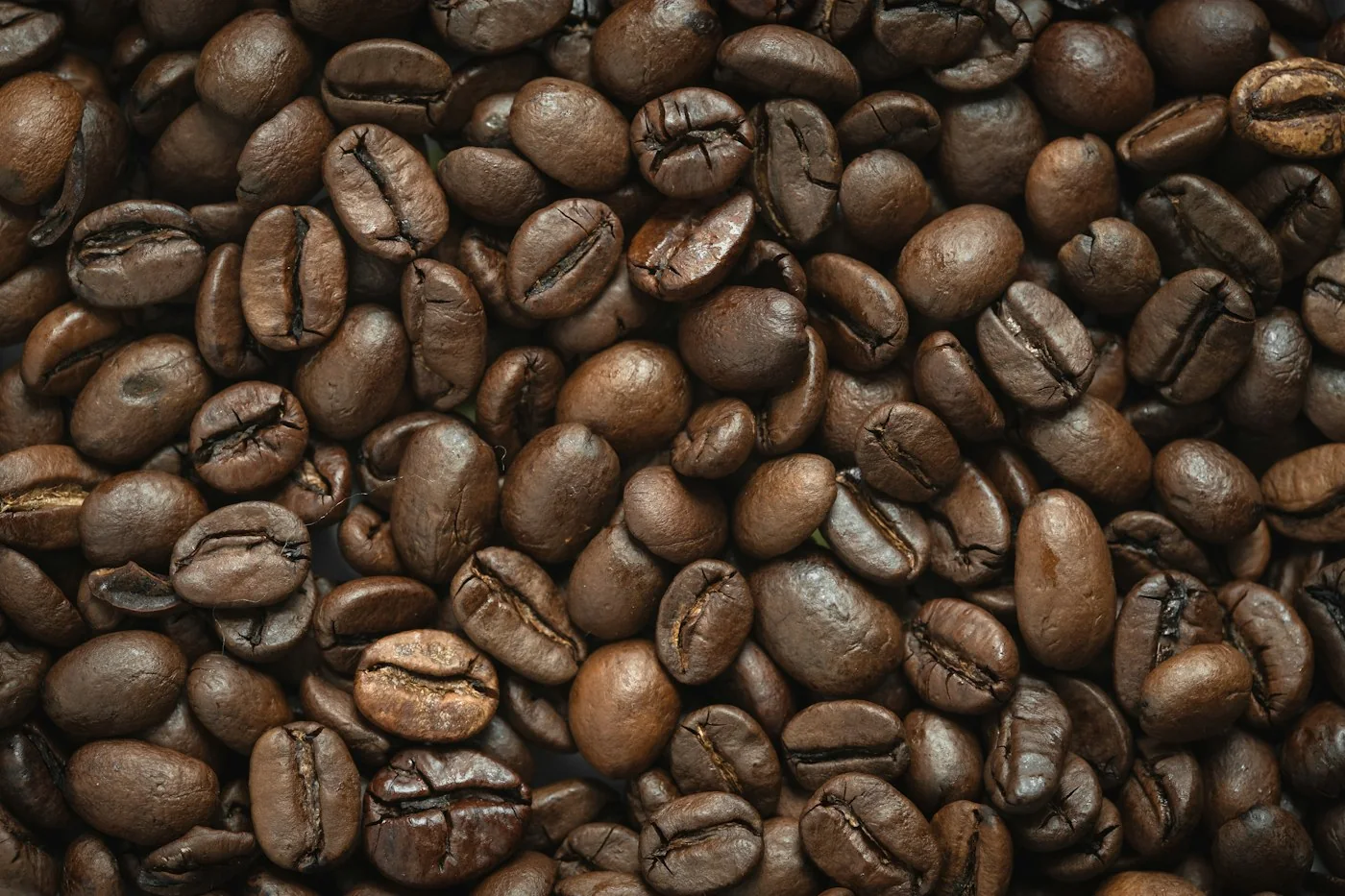
Ground coffee prices fell in 20 Brazilian capitals in October 2026, according to the Conab/Dieese survey released on 10 November. Maceió recorded the largest decline, at 6.92%. The relief comes alongside signs of recovering supply, but it does not mean that every brand or city will offer further discounts at the same pace.
For households buying coffee each week, the figures provide a useful price reference. Three stages must still be kept separate: farmgate bean prices, the cost of processed coffee and the retail price of a pack. They are connected, but they do not change together automatically.
Why has coffee become cheaper?
Conab links the retail decline to lower international prices and production from the current harvest. More available supply can reduce competition for lots. That effect may reach processors and later influence their negotiations with supermarkets.
Retail prices also cover roasting, grinding, packaging, energy and freight. Each company has its own stocks. Coffee bought earlier at a higher cost may take time to be replaced. A fall in raw bean prices therefore does not identify the discount a household will receive on a particular brand.
- The survey measures average changes within each capital.
- The 6.92% decline applies to Maceió, not the whole country.
- Prices were measured in October and released in November.
- One shop promotion does not establish a market-wide trend.
Could coffee prices fall in 2027?
In research published on 5 November, Rabobank expects downward pressure between late 2026 and early 2027 as supply improves. It also warns that price swings may remain substantial. This is an industry forecast, not a confirmed reduction in every consumer price.
Weather, bean quality and the rebuilding of stocks remain factors to watch. A larger harvest does not mean that every lot has the same quality. Processors may pay different prices depending on species, origin and the standard required for each blend.
The practical approach is to monitor the outlook without treating it as a promise. Better harvests can ease costs, while exchange rates or weather may change the picture. The sources consulted do not establish a guaranteed discount for every pack sold next year. Nor do they show that a particular supermarket must pass on a change immediately.

How can shoppers compare packs fairly?
Start with net weight. Packs with similar colours and shapes can contain different amounts. Divide the shelf price by the weight in kilograms to find the cost of an equivalent quantity. This makes different pack sizes easier to compare.
In a hypothetical example using Brazilian reais, a 500-gram pack at R$25 costs R$50 per kilogram. A 250-gram pack at R$14 costs R$56 per kilogram. These are illustrative figures, not current market quotes. The smaller pack has a lower shelf price but a higher unit cost.
Compare equivalent products as well. Ground coffee, instant coffee and capsules have different preparation methods and yields. Switching only makes sense if the option suits the household and its budget. Keeping the previous receipt helps show whether the price changed and whether the pack weight stayed the same.
Is it worth building a larger stock?
Buying extra may help when the discount is real, the coffee will be used and suitable storage is available. A falling price does not require a rush to buy. Spending more than planned on an offer may leave less money for other essentials in the same trip.
- Check the household’s normal monthly consumption.
- Compare the kilogram price of equivalent brands.
- Inspect expiry dates, packaging and net weight.
- Buy an amount that matches expected use.
- Record the price for the next shopping trip.
The clearest saving is paying less for coffee that will actually be consumed. Tracking it in the shopping list shows whether the relief reported in the survey reached the local store, rather than relying on a headline about the wider coffee market.
Sources
Roger Varenhorst / Unsplash · Doğu Tuncer / Unsplash. Image resized and converted to WebP.