Bean prices moved in different directions in Brazil in October 2026. Carioca beans became cheaper in 15 capitals, while black beans rose in the locations monitored for that variety. The Conab/Dieese survey, released on 10 November, shows why a headline about cheaper beans cannot describe every household’s shopping experience.
The figures need to be read by variety and region. They do not mean a promoted product at a local store will match the capital’s average. Brand, grade, quality and the purchase date can all affect a comparison. The first step is identifying which type of bean normally goes into the household’s shopping list.
What changed for the two varieties?
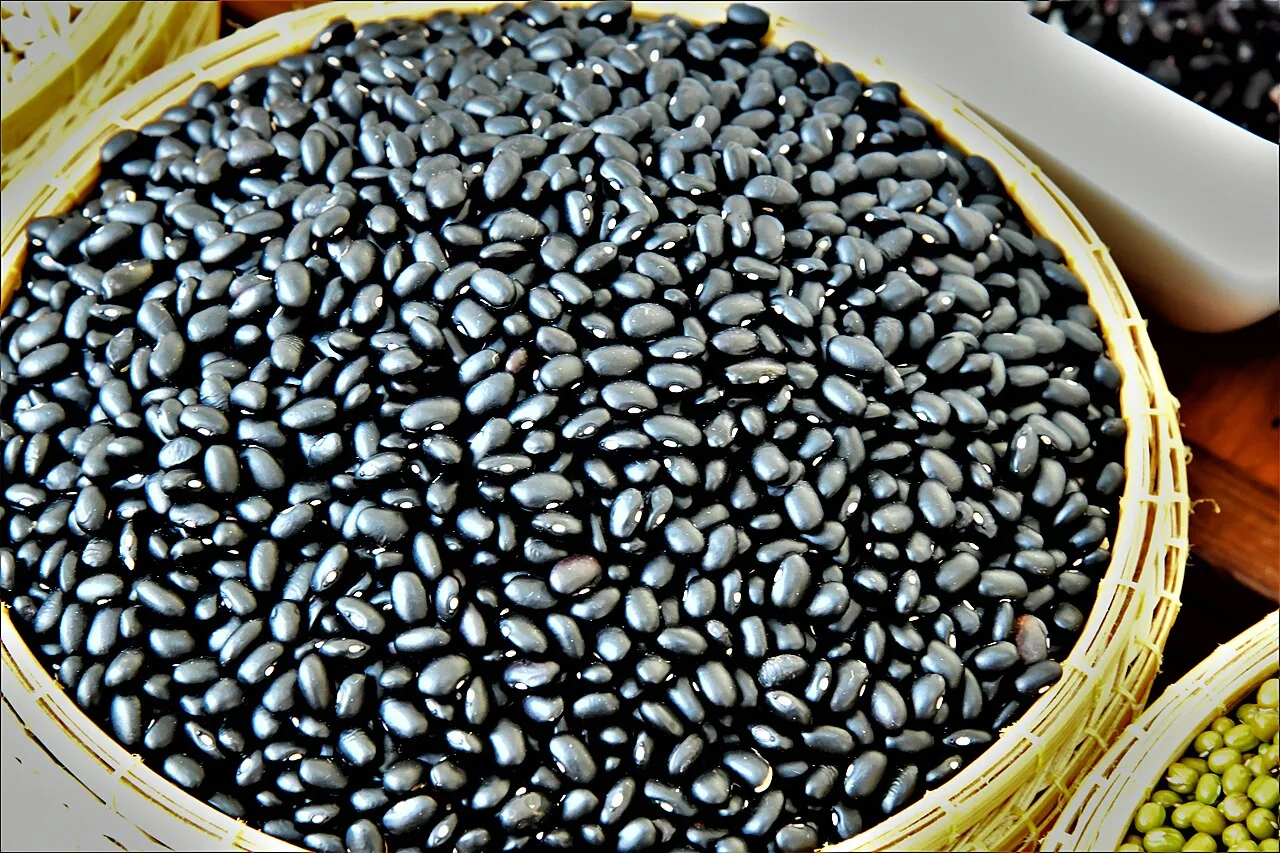
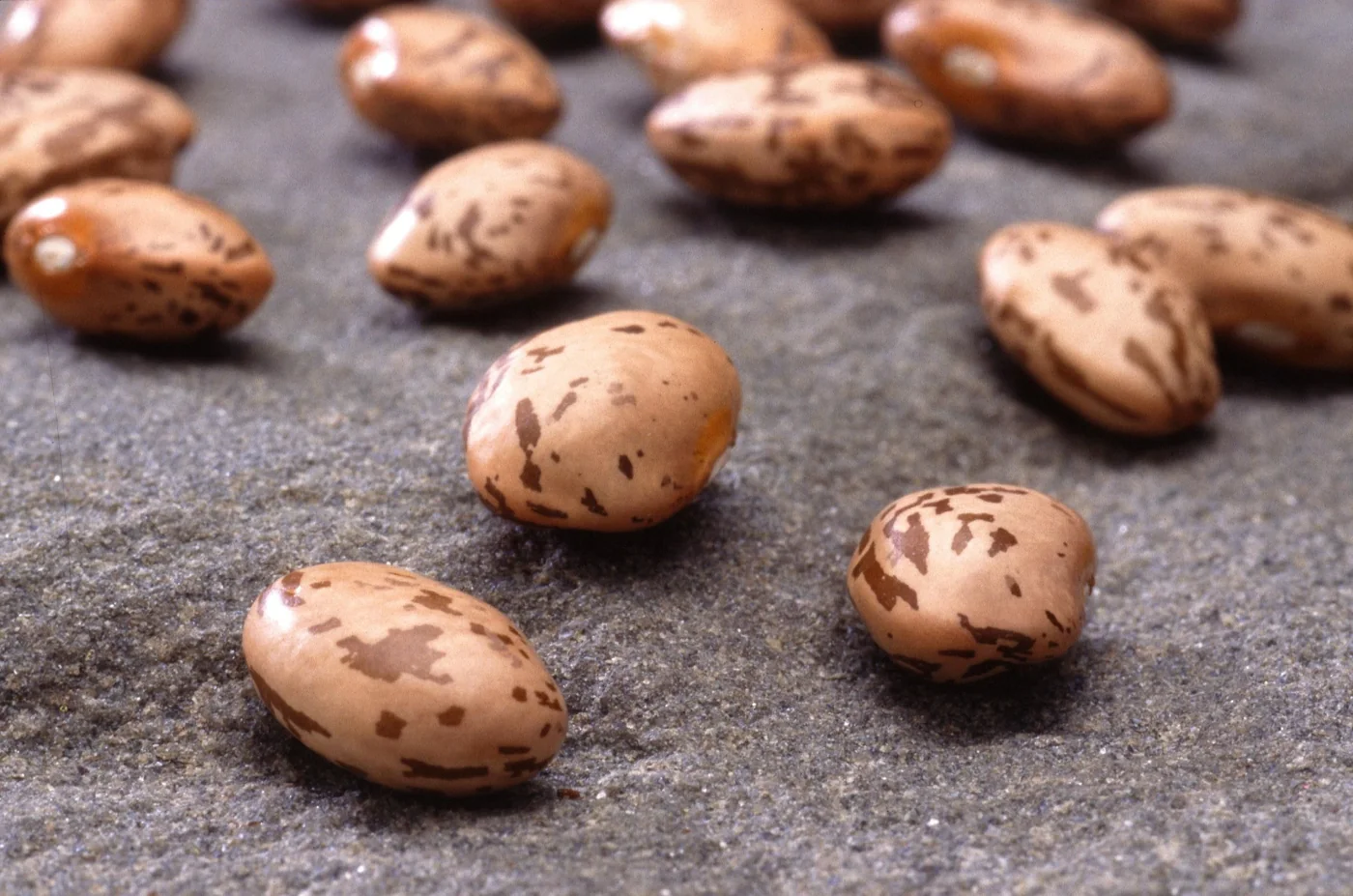
Carioca beans form part of the surveyed basket in 22 capitals. Prices fell in 15 of them in October, with Maceió recording the largest drop, at 3.26%. Black beans are monitored in southern Brazil, Rio de Janeiro and Vitória. Rio had the largest increase for that variety, at 5.74%.
- Carioca beans: declines in 15 of the 22 monitored capitals.
- Maceió: the largest monthly carioca decline, at 3.26%.
- Black beans: increases in the monitored locations.
- Rio de Janeiro: the largest black bean increase, at 5.74%.
These percentages must not be added or averaged to calculate a national bean price. They concern different products and markets. An October increase also does not prove that the same movement will continue in November or through the rest of the year.
Why do varieties have different prices?
Carioca and black beans serve different consumption habits and can reach stores through different suppliers. More supply of one variety does not immediately replace another. Availability, demand, quality and logistics help explain why two types can carry different prices on the same shelf.
This describes price formation, not a single proven cause for every October change. The survey reports observed movements. Attributing a particular increase to a specific harvest failure or local weather event would require additional evidence beyond those retail results.
The same care applies to next year. One monthly reading does not establish that all beans will become more expensive in 2027. Future harvests, available stocks and market conditions will matter. Following subsequent releases is more useful than treating a forecast as a certainty or assuming that one variety always offers better value.
How can shoppers identify the better-value pack?
Check net weight and the product description first. Compare packs of the same variety and standard. A cheaper label may reflect a promotion, another brand or a different classification. The aim is to measure the cost of a usable quantity while keeping a quality suitable for household meals.
In a hypothetical example, a one-kilogram pack at R$9 costs less per kilogram than two 500-gram packs at R$5 each. These figures illustrate the calculation; they are not surveyed prices. Together, the two smaller packs provide the same weight for R$10.
The result after cooking matters too. Note whether sorting produced significant waste and whether the beans supplied the expected meals. A small shelf saving may lose its value when part of the food is discarded. Judge an offer by real use as well as its appearance. Keep the receipt when comparing successive purchases of the same product.
Can switching varieties save money?
It can, if the price difference is worthwhile and the household accepts the change. The research does not establish which type will always be cheaper in a particular city. The decision requires current prices, meal plans and a check of the food already at home.
- Compare the kilogram price of available alternatives.
- Check pack weight and the named variety.
- Avoid buying extra only to qualify for an offer.
- Plan use before opening more packs.
- Record the amount paid for the next comparison.
October’s central lesson is that a single bean-price headline hides important differences. Separating carioca from black beans creates a more accurate comparison and helps households plan within their budgets without turning a regional average into a rule for every family.
Sources
Trisorn Triboon (Tris T7) / Wikimedia Commons · CC BY 3.0 · CC BY 3.0 · Brian Prechtel / USDA / Wikimedia Commons · Public domain. Image resized and converted to WebP.