

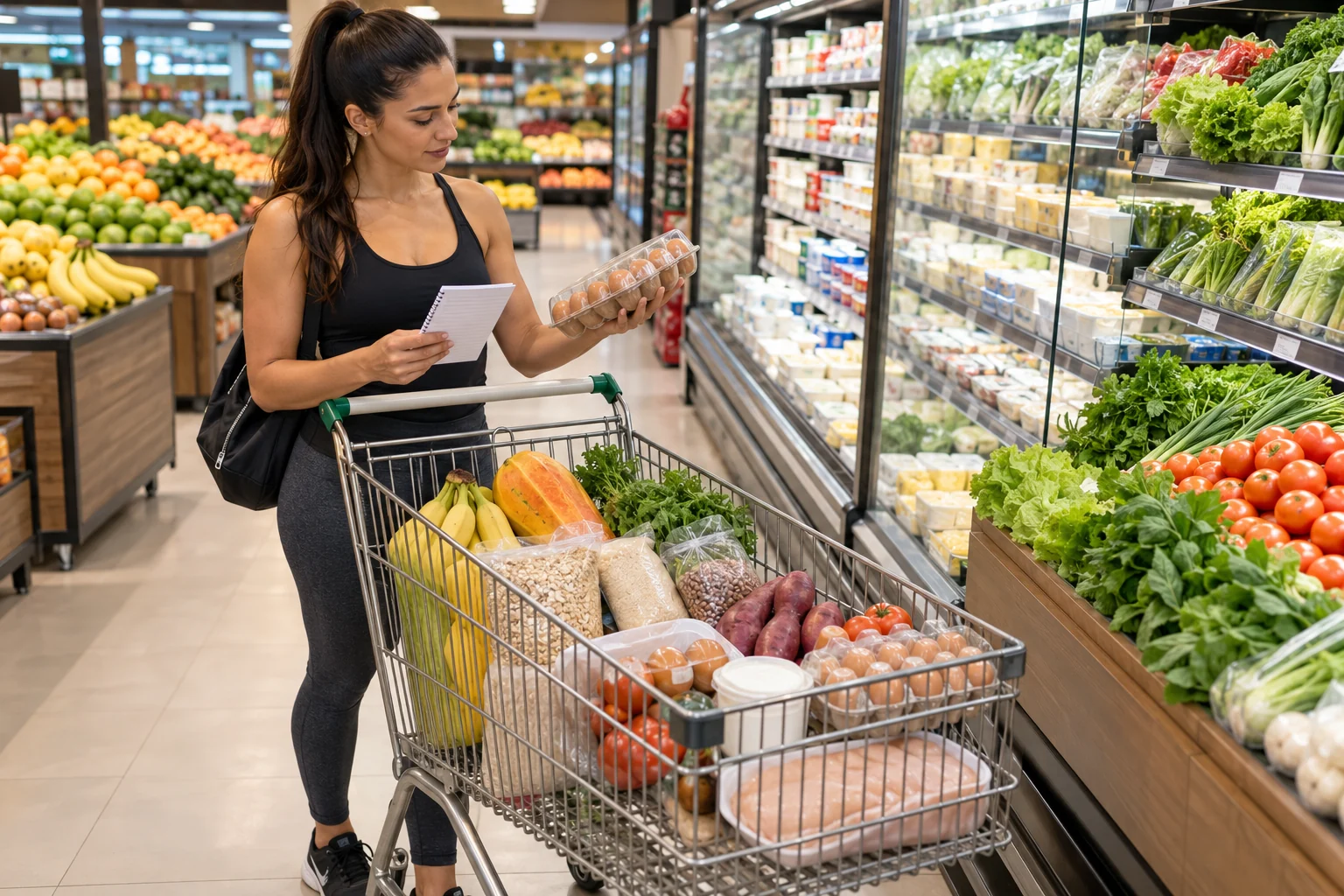
Shopping list for those who do bodybuilding: basics for 7 days
Organize a week of meals for the routine of bodybuilding with proteins, rice, beans, fruits, vegetables and basic items without depending on fitness products.
A list for bodybuilding is not a ready diet
Whoever starts or resumes bodybuilding usually finds lists full of supplements, expensive foods and copied amounts from others. This model ignores budget, routine, preference, health and what already exists at home. The list of this guide organizes basic food for seven days and helps to set up breakfast, lunch, dinner and small snacks. It does not calculate calories, protein per kilogram, deficit, surplus or mandatory schedules. It also does not promise hypertrophy, slimming, recovery or performance. Results depend on training, rest, total feeding, constancy and individual characteristics. People with kidney disease, diabetes, allergies, intolerances, gastrointestinal conditions or other clinical needs need professional evaluation before changing their diet. The quantities are purchase references for an adult and should be adjusted to the number of people, appetite and meals made outside. The goal is to leave the market with usable ingredients, not with a disguised prescription.
Before you buy, check the week and stock
Start by marking on which days there will be training, face-to-face work, meals away, and time to cook. A seven - day purchase does not need to predict twenty - one meals at home if part of them will occur in a restaurant, college or family home. Open cabinets, refrigerator and freezer and check out rice, beans, oats, pasta, spices, oil, ripe fruit and frozen food. Also note available space for storing meat, vegetables and preparations. Buying large amounts without enough cooling increases waste. Choose three or four proteins, two carbohydrate bases, one legume and vegetables that can participate in more than one recipe. Define which items need to be prepared first. Leaves, fresh fish and ripe fruits usually require faster use; dry and frozen provide greater flexibility. The interactive list should be reduced before the market, removing everything that is already available. Planning begins with what will be consumed, not the size of the cart.
Main meal proteins
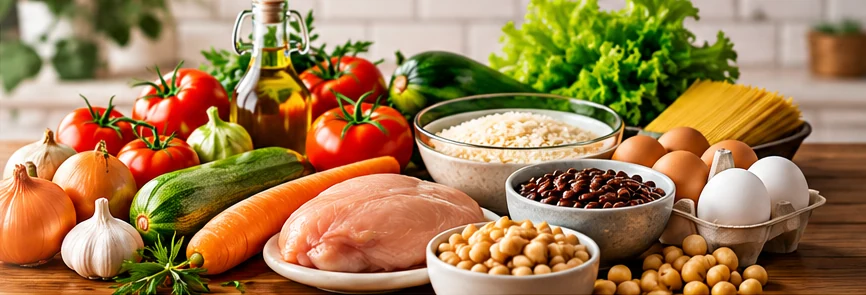
Chicken, eggs, ground meat, fish and soy-based foods are culinary options that can enter into common preparations. You don't have to buy them all. For one week, choose from two to four alternatives according to price, preference and storage capacity. Chicken can appear grilled, roasted or shredded. Ground meat can make sauce, rice or stuffing. Eggs work in omelette, couscous, tapioca and fast meals. Fish may be reserved for the first days or frozen. Tofu is an alternative for those who already use soy and know how to prepare it. Cuts, sizes and values change a lot between markets; compare price per kilogram and yield, not just the packaging value. Prepare meats completely and keep used utensils in raw foods separate from ready items. Total amount of protein required is individual. A scientific position on protein and exercise recognizes that active people can achieve food needs, but this does not authorize copying numerical goals without evaluation.
Beans, lentils and chickpeas also enter the planning
Legumes help vary meals and should not be treated only as small follow-up. Beans go with rice, meat, chicken, eggs and vegetables. Lentil cooks faster and can enter warm salads, soups or sautes. Beans work in salads, stews and pastes. Choose one or two options per week to not accumulate open packages. If you use dry grains, program removal and cooking according to food. Cooked portions may be frozen in smaller containers. Ready products can also be used; check out ingredients, sodium, validity and integrity of the packaging, drain and rinse when this makes sense. Digestive discomforts vary and may require individual adaptation. Rice with beans is a traditional and practical combination, not a lower meal for not receiving fitness label. The Brazilian Food Guide highlights the combination of cereals and legumes within a varied diet based on natural or minimally processed foods.
Rice, oats, bread and tubers: bases for combining
Carbohydrates do not need to be eliminated from the purchase of bodybuilding workers. Rice, oats, bread, pasta, potatoes, sweet potatoes, cassava, corn and fruit can take part in meals as routine and preference. Choose few bases that will actually be used. Rice can accompany beans and proteins; oats serve for fruit, yogurt and pancakes; potatoes and cassava can be baked or cooked; bread helps in fast meals. Integral is not automatic synonym of better choice for all people. Read ingredients and nutritional information, consider tolerance and observe the full meal. Don't buy sweet potatoes out of obligation if ordinary potatoes, rice or cassava match the house better. The variety throughout the week is more useful than hoarding different flours and cereals. Those who need to control glucose, fiber, calories or portions by clinical condition should receive specific guidance. This list works with basic foods, without attributing to an isolated ingredient the power to improve training.
Greens, vegetables and fruits for seven days
Choose vegetables of different colors, textures and durations. Carrot, pumpkin, cabbage and beet usually offer more storage flexibility. Tomatoes, zucchini, broccoli and leaves can be purchased in quantities compatible with the first days. Station products tend to vary less in price and may be in better condition, but you need to compare on site. For fruit, combine some that mature fast, such as banana and papaya, with options that usually last longer, such as apple and orange. Don't cut everything on the day of purchase. Wash according to use and follow hygiene guidelines. Fruits can participate in breakfast, dessert or snack, without the need to turn them into juices. Simple frozen vegetables can also reduce waste when they do not contain unnecessary sauces or mixtures. The Food Guide recommends variety and food in natura or minimally processed as a basis; the list should translate this orientation into choices that will really be prepared.
Milk, yoghurt and cheese: buy as per use
Milk, natural yogurt and cheeses can integrate breakfast, snacks and recipes, but are not mandatory for everyone. Those who consume these foods should calculate how many days there will be use before choosing large packages. Yogurt can accompany fruit and oatmeal. Milk can enter into beverages and culinary preparations. White cheese can fill bread, tapioca or omelet. Check the shelf, exposure temperature and packaging integrity. Take refrigerated at the end of purchase and store quickly. Products without lactose meet specific needs, but do not resolve allergy to milk protein. Plant alternatives vary greatly in composition; read labels and choose according to individual goal and orientation. Buying several products called protein without planning usually increases cost and maturity risk. A simple package that will be fully used is more coherent than a cart full of sports items. If the house does not consume dairy products, organize other combinations without improvising exact nutritional equivalences.
Fats, spices and flavoring items
Olive oil or oil, garlic, onion, lemon, green smell, paprika, oregano and other herbs transform the same bases into different preparations. Before buying, check bottles and dates. Chestnuts and peanut butter may enter small meals, but they are not mandatory and must fit in the budget. Folders should have checked label because ingredients and portions vary. There is no need to exchange all the salt for expensive versions or buy fitness sauces. Ready seasonings can concentrate sodium and additives; compare the list of ingredients and use with discretion. Fat foods can also cause discomfort if consumed too close to training by some people, but this response is individual. The focus of this section is flavor and execution: food without enough seasoning tends to be abandoned. Plan lemon for chicken and salads, tomato and herbs for sauces and garlic and onions for beans, meats and vegetables. Repeating ingredients with different techniques reduces waste without making the week dull.
Example of purchase use throughout the week
The purchase can yield rice with beans, chicken and broccoli; ground meat with potatoes and carrots; fish with cassava and salad; omelet with tomato and bread; pasta with chicken and vegetables; and lentil with rice and eggs. For breakfast or lunch, combine banana with oatmeal and yogurt, bread with cheese and fruit or couscous with egg. The example does not define sequence or portions. Reorganize according to schedules and foods that need to be consumed first. Cooking rice, beans and a vegetable baking machine creates reusable bases. If there is lunch outside, freeze the expected preparation. The list is useful when ingredients connect in possible meals.
How to save without reducing the purchase of chicken and egg
Compare price per kilogram, yield and actual consumption frequency. Promotion does not save when part of the food spoils. Use beans, lentils and eggs to vary meals and choose the meat cut with a better relationship between price and use in that market. Season vegetables, cabbage, carrot, pumpkin and fruit sold per unit can help control the cart. Brands and simple packaging deserve comparison of ingredients and weight. Avoid paying more just for words like fit, protein, integral or zero in front of the package. Check out what changes in fact. Plan recipes that share ingredients and freeze portions before they lose quality. Take a list and do not buy based on display of supplements near the cashier. Register prices onAnota na ListaIt helps to perceive variations between weeks. Economy does not always mean choosing the cheapest product: condition, validity, safety, yield and chance of full use also enter the decision.
How to read labels on the market
In packed foods, check list of ingredients, nutritional table, allergens, presence of lactose or gluten when relevant, shelf life, conservation and net weight. Anvisa establishes this information to support choices and avoid misleading messages. Compare products of the same category by composition and planned use, not by colors or images of the packaging. Front labeling may indicate high added sugar content, saturated fat or sodium when applicable, but the decision also considers frequency and the whole feeding. For bread, oatmeal, yogurt, sauces and ready products, read the ingredients. For meat and refrigerated meat, observe temperature, packaging and date. Claims as a protein source do not make food necessary. People with allergies need to give warnings to each purchase, because formulas can change. Do not take a product home without knowing how it will be consumed. Label helps to compare, but does not replace professional guidance when there is clinical condition or individual sports goal.
Whey, creatine and pre-training are on this list?
Not like automatic basic items. Anvisa defines supplements as products intended to supplement food and advises that the need be evaluated with qualified professionals. No supplement replaces a balanced and varied diet. If there is individual indication, check if the product is regularized, read the form of use, warnings, restrictions, ingredients, allergens and nutritional information. Do not buy supplement just because you practice bodybuilding because someone else uses it or because a package promises convenience. This guide does not prescribe whey, creatine, caffeine, dose or time. Common foods can provide protein and other nutrients, but the necessary amounts depend on the person and training. Powder products also have cost, validity and storage conditions. First arrange meals that really fit in the routine. If there is still a specific question of adequacy or practicality, take the food diary and training to the nutritionist or health professional. The market list should not function as a supplementation counter.
Storage and safe preparation
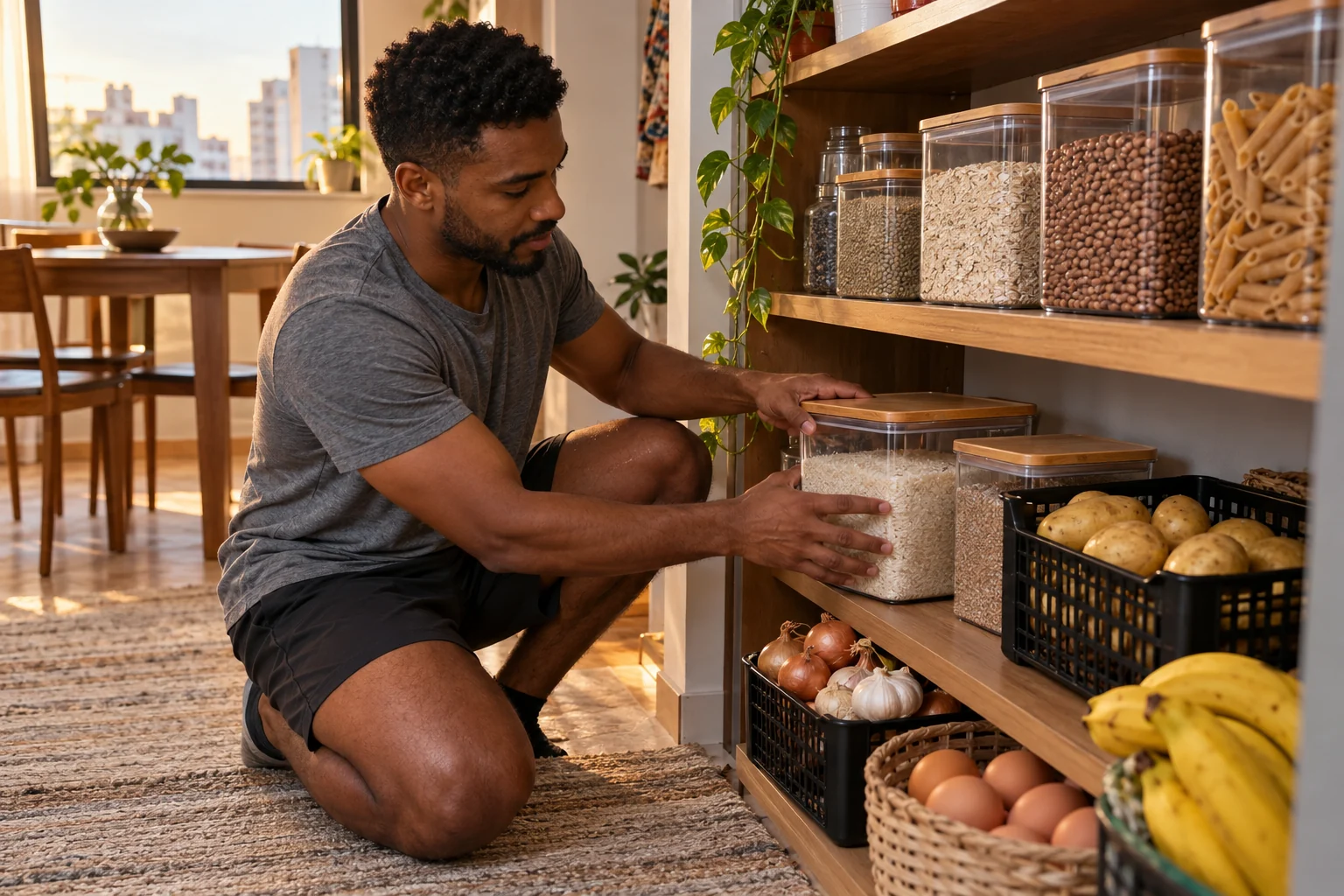
When arriving from the market, store meat, eggs, dairy and frozen first. Avoid leaving perishable on the bench while organizing dry. Divide meats into portions if this facilitates use and identifies what will go into the freezer. Don't thaw food over the sink. Hygien hands, surfaces and utensils and avoid contact between raw meat and ready food. Cook eggs and meats completely. Rice, beans, vegetables and prepared proteins should be cooled and refrigerated without staying for hours at room temperature. Use food containers and make sure they are suitable for the microwave before reheating. In the transport of work meals or gym, use reusable thermal bag and ice when there is no immediate cooling. Cold leaves and supplements can travel separately. Planning seven days does not mean keeping everything in the fridge until the end: freeze what will not be consumed in the first days and program safe thawing under refrigeration.
How to adjust quantities without copying someone else
The list uses approximate amounts of purchase, not portions of consumption. A person who makes several meals outside will need less ingredients than someone who cooks every day. Two people should not simply double everything without conferring preferences and commitments. Meats lose weight in preparation; fruits vary in size; vegetables can have discarded parts; rice and beans increase in volume when cooking. Start with a moderate week, register leftovers and fouls and adjust your next purchase. Do not use the size of the influencer dish as a reference. Those seeking mass gain, weight reduction or performance improvement need to consider total intake, training, sleep, health and adequate follow-up. The same list can generate different portions and combinations. If food was missing, identify which meal and which ingredient. If left, only reduce the excess item or freeze before. Useful precision arises from the history of the house itself, not from a generic table presented as universal.
Common errors in purchase for bodybuilding
The first mistake is to fill the cart with products with sports appeal and forget ingredients for complete meals. Another is to buy large quantities of chicken, eggs or yogurt without space and without preparation plan. Eliminating rice, beans or bread by copy rule can make the routine expensive and difficult to sustain. It is also inappropriate to increase protein on its own in the face of kidney disease or other clinical condition. Do not confuse variety with excess products: five types of open cereal can win before use. Avoid testing multiple supplements simultaneously, ignoring warnings and treating discomfort as a sign that the product is working. Buying only for days of training and improvising others also reduces the usefulness of planning. Finally, do not leave safety in the background: damaged packaging, food out of temperature or raw meat in contact with vegetables are not acceptable because of a sports goal. A good list is simple, executable and reviewed after the week.
Frequently asked questions about the bodybuilding list
Do I have to eat chicken every day? Nope. Toggle food according to preference, budget and individual orientation. Can rice and beans come in? Yes, it's a traditional and practical culinary combination. Is sweet potatoes mandatory? No; potatoes, cassava, rice, corn and other bases can be used. Do I have to buy whey? Not automatically. Supplementation requires careful evaluation and reading of the label. How many eggs should I eat? This guide does not prescribe daily quantity; the list considers eggs in different recipes. Can I use frozen? Simple vegetables, portioned meat and frozen homemade preparations can facilitate routine when stored properly. Is the list for mass gain? It organizes food but does not guarantee results or replace individual plan. Can I repeat meals? It can, as long as the routine remains adequate and there is variety over time. How to avoid waste? Check stock, plan out meals, freeze portions and adjust the next purchase based on what is left.
Set up the purchase atAnota na Lista
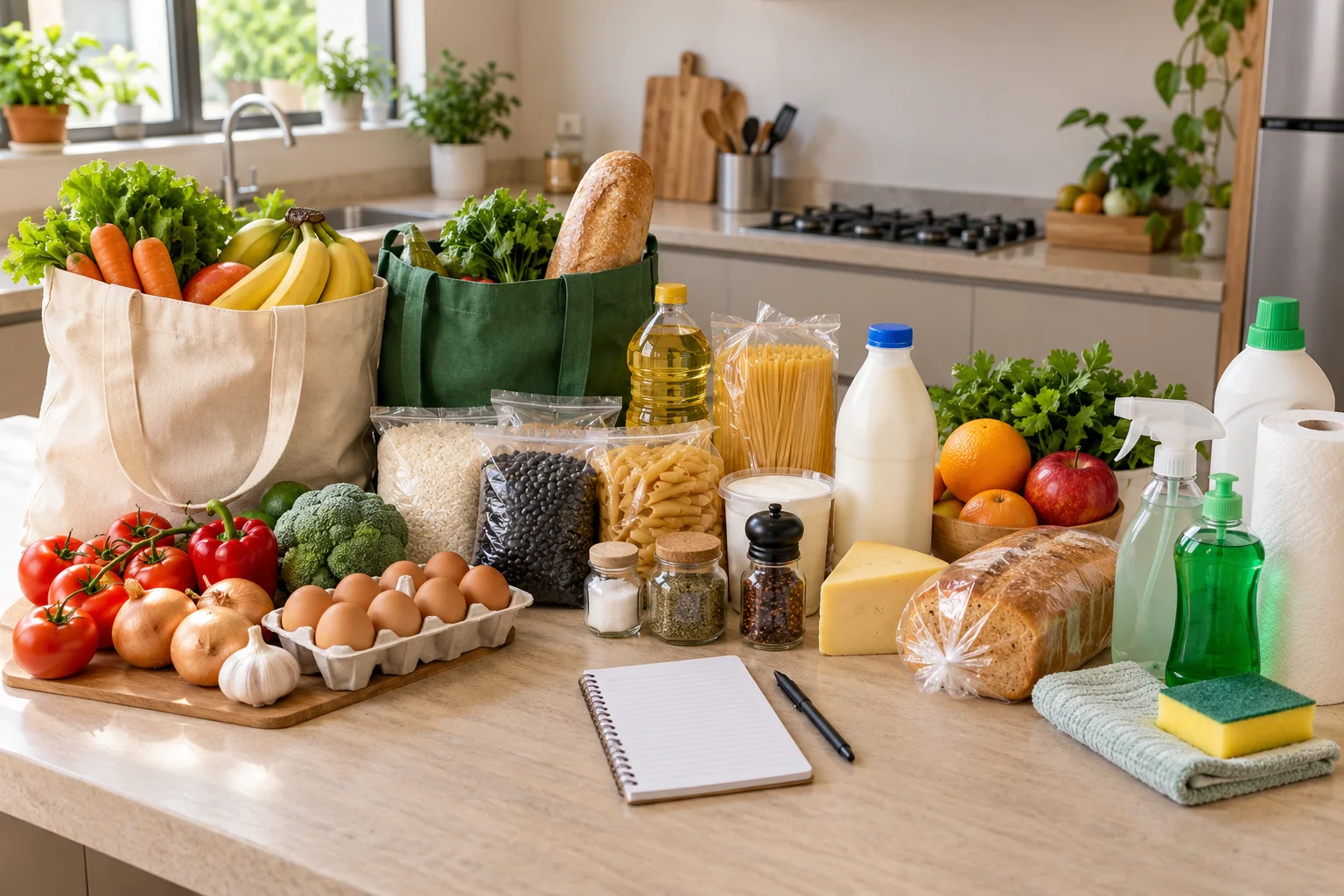
Open the interactive list and remove the items already available. Adjust meats, eggs, fruits and dairy to the number of meals at home. Organize the route starting with dry and finishing with chilled and frozen. On the market, register prices and compare weight, yield and validity. If a product is expensive, replace the recipe before placing random alternatives in the cart. Beans can change variety; fish can give way to another preparation; vegetables can follow the season. After the week, mark what was left, what was missing, and what recipes were actually executed. This information is worth more than a fixed list repeated indefinitely. Also separate containers, labels and space in the freezer. OAnota na Listahelps consolidate repeated ingredients and keep the purchase focused, but amounts and choices remain personal. Use the tool to transform planning into a possible, safe and compatible purchase with the bodybuilding routine.
Consulted sources and content limits
The structure of the purchase follows the Food Guide for the Brazilian Population, which recommends a wide variety of foods in natura or minimally processed, predominantly of plant origin, and values culinary preparations. Labelling guidelines and supplements were verified in Anvisa: ingredients, nutritional information, allergens, warnings, restrictions and regularization need to be observed, and supplement does not replace balanced diet. The context of protein and exercise considers the scientific position of the International Society of Sports Nutrition, which recognizes food as a possible way to meet the needs of active people, without turning general ranges into a prescription for the reader. This article does not define the need for protein, calories, supplements, or portion size. The list is an organization model for healthy adults and should be adapted by a professional when there is disease, restriction, competition or individual goal. No food or shopping set presented ensures hypertrophy, slimming, recovery or performance.
Shopping list
Mark the products you already put in the cart.
Community
Comments
Create an account or do login for favorite and leave your comment.
Loading comments...