

First purchase of supermarket: checklist to assemble the house
Set up your first purchase for the new house with a practical food checklist, cleaning and hygiene, without exaggerating in quantities.
How to plan the first purchase without filling the cart by impulse
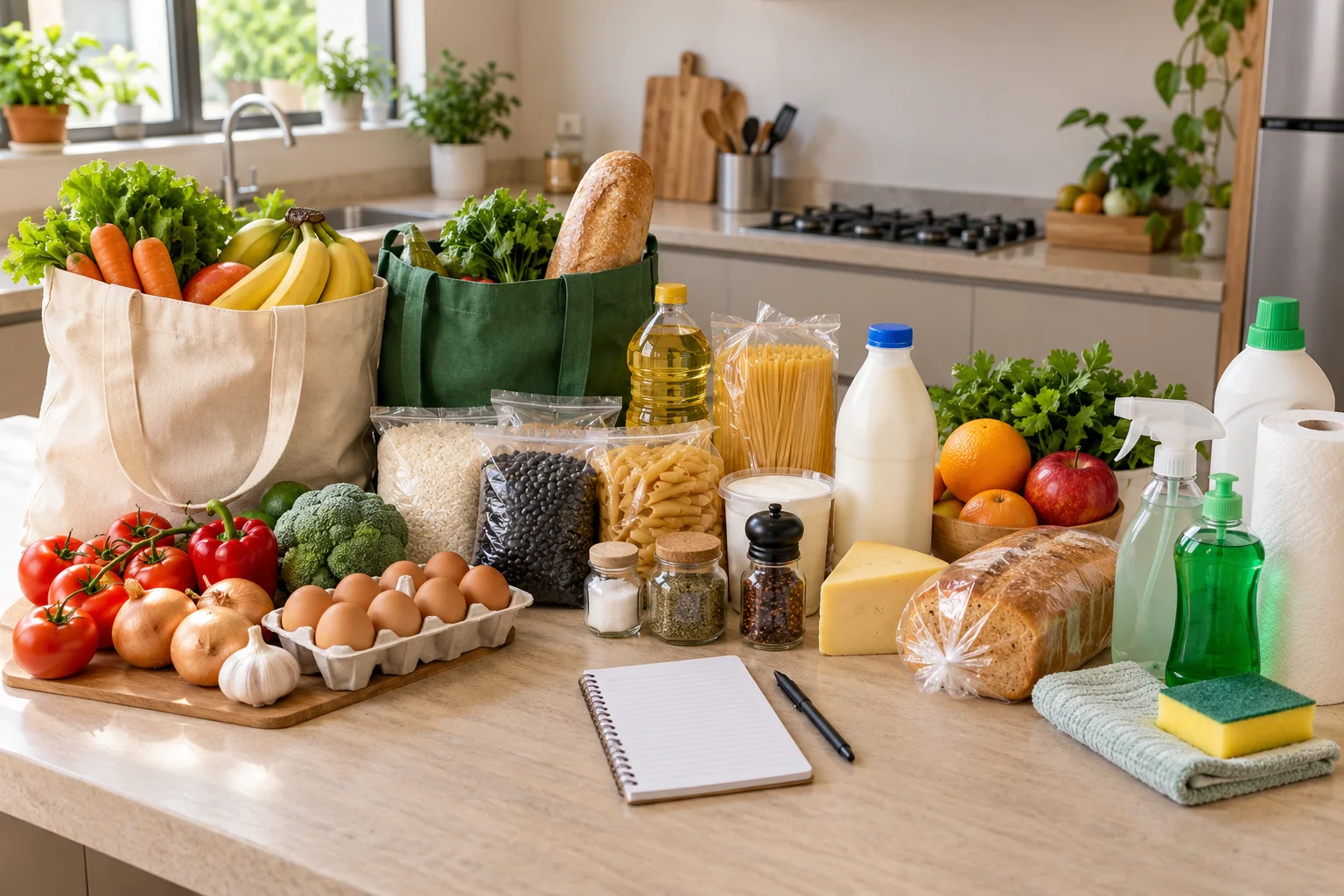
A first purchase of supermarket It usually looks bigger than it really needs to be. There are no basic foods, cleaning materials, hygiene items and small products that were previously available in another home. When everything goes on the same list, it is easy to confuse immediate need with stock for several months. The safest way is to prepare a sufficient initial purchase for the first seven to ten days and complete the rest after observing the routine. This checklist was organized for one or two people and works as a starting point, not as an obligation. Before leaving, confirm which appliances, pans and storage spaces are already available. A list of frozen products does not help those who have not yet received the refrigerator; buying rice, beans and flour in large volumes makes no sense when there are no dry and protected containers. Set a spending limit, mark only what will be used and leave a small margin for resets. Thus, the house begins functional without turning change into an expensive and disorderly purchase.
Make a quick inventory of each environment
Walk through kitchen, bathroom, laundry and service area before mounting the list. In the kitchen, see if there is a working refrigerator, stove or other cooking equipment, water filter, dumpster, dish cloth and containers with lid. In the bathroom, check out toilet paper, soap, towels and personal use products. In the laundry room, identify if there is a tank, washing machine, clothesline, bucket and safe place to store sanitizers. This inventory avoids two common flaws: buying a product that has already come with the house or taking an item that cannot yet be used. Photograph empty cabinets and shelves if this helps remember real space. Measure only when the size of the package is relevant. The first purchase should solve concrete needs, such as preparing simple meals, cleaning surfaces and maintaining daily hygiene. Utensils, decoration and organizers can stay in a separate relationship because they do not necessarily belong to the supermarket. No Anota na Lista, create different categories for food, cleaning and hygiene; this division facilitates review and reduces the risk of forgetting an entire sector.
Set how many people and how many days you're buying
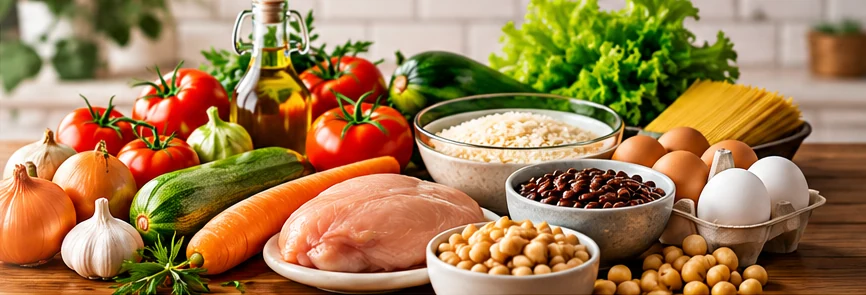
The adequate amount depends on the number of residents, meals at home and the possible frequency of replacement. A person who eats out during the week needs a different stock than a couple who cooks every day. Write down how many breakfasts, lunches and dinners will actually take place at home in the next seven days. Then choose simple preparations that share ingredients: rice and beans can accompany eggs, chicken or vegetables; bread can serve breakfast and a snack; tomato can enter the salad, sauce and omelet. This small menu prevents the list from being made up of disconnected products. Avoid estimating consumption based only on the most common packaging size. If a larger package is the only option, plan where to store and at which meals to use the excess. Perishable products deserve more caution, especially when the routine is still changing. It is better to make a short replacement of leaves, fruit and bread than to lose part of the purchase. Planned quantity is a reference, and should be adjusted to the actual household consumption.
Basic pantry: Start with what becomes a meal
Mount the pantry with food that participates in the preparations, rather than reproducing the shelf of another family. For many Brazilian homes, an initial base may include rice, beans, noodles, oats, oil or olive oil, salt, coffee and a simple tomato sauce. Flour, sugar, lentil, chickpeas, canned goods and other products come in only if they are part of the habit of the house. For one or two people, small or medium-sized packages are usually sufficient at the beginning, even when the larger package has a lower price per kilogram. The unit cost only represents savings if the food is consumed within the deadline and stored correctly. Read the list of ingredients, shelf life and storage conditions indicated on the label. Also check that the packaging is complete, without holes, roasting, rust, leaks or signs of rape. If there is allergy or intolerance at home, the label conference is no longer just a price comparison and becomes an indispensable step. Buy enough variety to cook, but do not accumulate products without destination.
Fridge and breakfast: choose items that match each other
For the first days, eggs, milk or drink preferably, cheese in moderate quantity, butter or other accompaniment and yogurt, when consumed, form a flexible base. Bread can be purchased fresh and restored, or frozen in portions when the equipment and packaging allows. Do not automatically include all these items: those who do not consume dairy products, for example, need alternatives compatible with their own routine, not a literal copy of the checklist. Observe the ability of the refrigerator and confirm that it has reached the appropriate temperature before supplying it. Cooled products should remain cold during transport and be stored immediately after arrival. Always refer to the manufacturer’s instructions, including about storage after opening the package. Avoid taking multiple cold options just to create variety; open packaging at the same time increases the chance of waste. For a first week, think of combinations: bread with eggs, oatmeal with fruit, yogurt with oatmeal or coffee with the usual food. A simple and usable purchase is worth more than a visually full refrigerator, but without defined meals.
Fruits, vegetables: buy less and replace better
Choose vegetables based on the menu and the expected durability. Onions, garlic, carrots and potatoes usually take part in various preparations, while tomatoes, leaves, zucchini and other fresh options can be purchased in smaller quantities. For one or two people, select two or three different fruits and calculate approximately one unit or portion at the time of planned consumption. There is no advantage in taking large variety if half mature at the same time. Observe color, firmness, odor and signs of damage, choosing units at different stages of maturation when this makes sense. Station products may have better availability and price, but compare the real quality in the establishment. When arriving, follow the appropriate hygiene and conservation guidelines for each food; do not wash everything in advance if the extra moisture can accelerate deterioration. Separate what will be used first and make visible. The Food Guide for the Brazilian Population values natural and minimally processed foods and recognizes that cost, time, supply and culinary skills influence choices. The goal here is to make this orientation possible within the routine, without creating an idealized list.
Proteins: Plan portions before choosing package size
Eggs are versatile and can serve fast meals. Chicken, meat, fish, tofu or other sources of protein should enter according to the household's preferences, budget and mode of feeding. Before buying, decide how many meals each item will use and check the freezer space. A family package may seem economical, but requires immediate division into portions, proper packaging and identification. If the kitchen does not have containers or the freezer is small, prefer smaller volumes. Keep raw meats separated from ready foods in the cart, bags and refrigerator, avoiding leaks. Take refrigerated and frozen products closer to the end of purchase and reduce transport time. Do not wash raw meats, as spatter may spread contamination through the surfaces. Cook thoroughly and follow the manufacturer's storage instructions. For a first purchase, choose two or three options that will really be prepared instead of trying to cover all possibilities. If there are specific dietary restrictions, adjust the relationship with professional guidance when necessary; this checklist organizes household purchases, does not prescribe an individual diet.
Cleaning products: buy by function and not by perfume
A functional house can start with few sanitizers: dishwashing detergent, sponge, suitable product for existing surfaces, laundry soap, garbage bags, cloths and, when necessary, disinfectant or sanitary water as indicated on the label. Do not mix cleaning products. Mismatches can release dangerous vapors or cause reactions. Respect dilution, mode of use, ventilation and protective equipment indicated by the manufacturer. Choose full packaging, properly labelled and keep them away from food, medicines, children and animals. The trolley and bags should also separate sanitizers from food products, especially when there is a risk of leakage. Do not transfer the contents to unmarked drinking bottles or containers. Before purchasing specific cleaners for glass, stainless steel, wood, oven and bathroom, check out the materials present in the residence; an inappropriate product may damage the surface. A first purchase for cleaning should allow dishwashers, laundry, waste collection and cleaning essential areas. Specialized items can be added later, as required, avoiding duplicity and crowded cabinets.
Personal hygiene and paper items: consider individual consumption
Toilet paper, soap, toothpaste, brushes, shampoo, conditioner and deodorant are common examples, but each resident uses different products. Have an individual conference before including economic sizes or promotional kits. Those who have just moved can bring part of these items from the previous residence and need only replacement. Absorbents, shaving appliances, diapers, lens products, medicines and specific care should be treated on their own lists because they depend on the person and do not fit a universal checklist. Avoid storing cosmetics that have never been used just because they are on sale. Confirm validity, seal integrity and label instructions. Napkins, paper towels, coffee filters and aluminium paper are useful in some routines, but are not indispensable for all homes. Choose what will have immediate function. Medicines should not be purchased as a generic complement to change; when necessary, follow appropriate guidance and keep them separate from food and cleaning products. By dividing the list by resident, you reduce forgetfulness without assuming preferences, health needs or frequency of use.
How to build a realistic budget and compare prices
Divide the spending limit between food, cleaning, hygiene and a small reserve for price differences. Values vary by city, shop, brand, harvest and period; therefore, a fixed total presented on the internet ages rapidly. Use local prices and add the list before reaching the cashier, updating the value when replacing a product. For equivalent items, compare price per kilo, litre or unit, not only the outstanding value of the package. Consider also yield, storage need and probability of consumption. A larger package can reduce unit price and still increase expenditure and waste. Cheaper brands or alternatives can be assessed by composition, labelling, integrity and suitability for purpose. Preserve a margin for forgotten essential items, but avoid turning this margin into impulse purchases. If the total exceeds the budget, first remove the unused products, reduce variety and adjust volumes; do not randomly eliminate central ingredients from the already planned meals. Store note and record prices inAnota na Listahelps prepare the next purchase with real data from your region.
At the supermarket: follow a route and leave the cold last
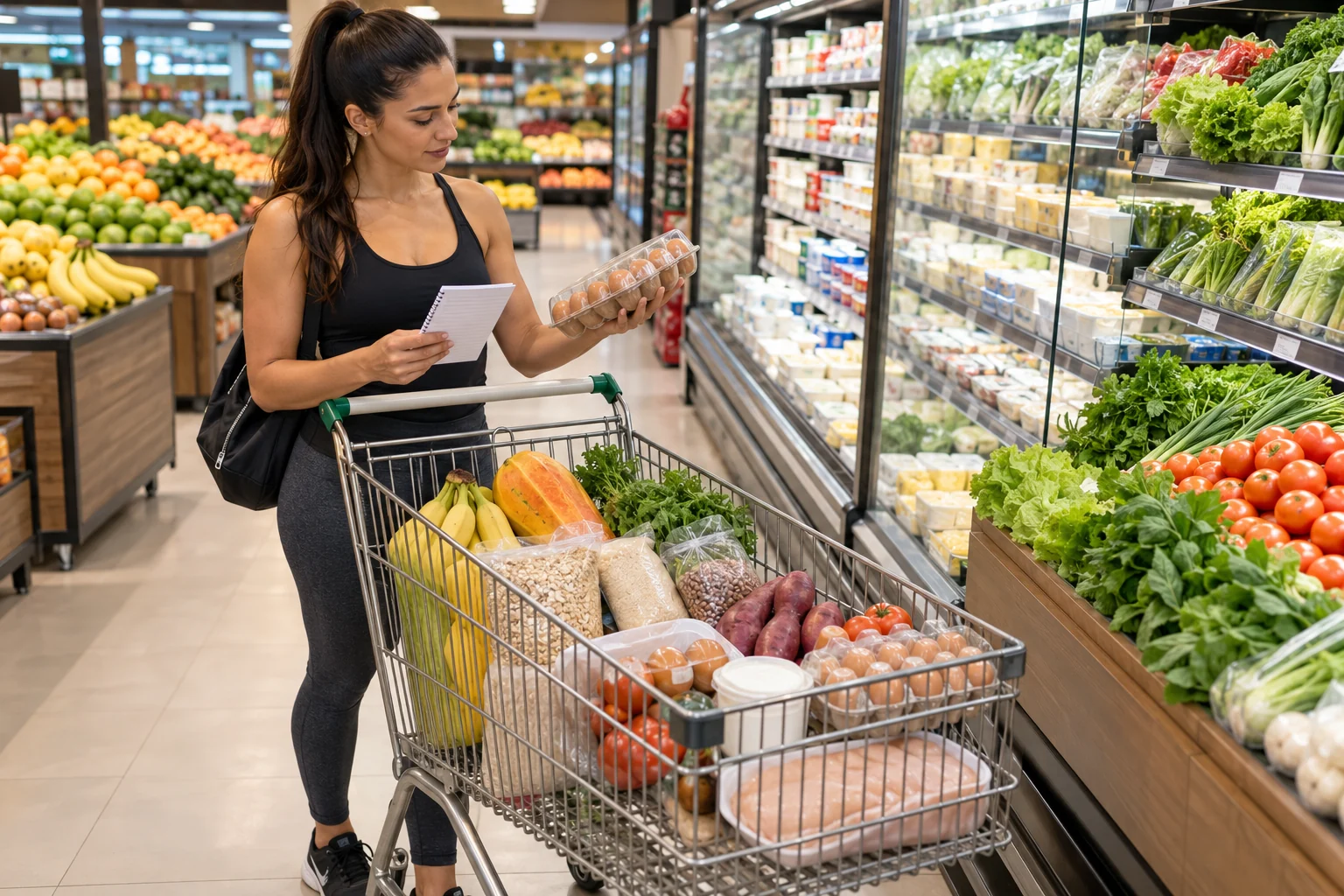
Organize the list in the approximate order of the store sectors to reduce round trips. Start with dry and non-food items, keeping cleaning products separate. Pass by hortifurti and bakery as per the arrangement of the establishment. Leave meat, chilled and frozen to the end, reducing the time outside the specified storage conditions. Examine packaging and reject open units, leaking, crumpled critically, greenhouses or with breached seal. Check validity and storage instructions; in perishable products, also check the condition of the display equipment. Do not put ready food in contact with raw meat packaging. When bagging, separate sanitizers, hygiene, dry foods and cold products. In long shifts or very hot days, consider thermal bag suitable. Review the cart before payment using the interactive checklist: check what entered, confirm quantities and identify duplicities. This review takes a few minutes and is usually more effective than trying to remember everything in the box. The organized route protects the budget and helps to conserve the products until home.
When you get home: first store what requires controlled temperature
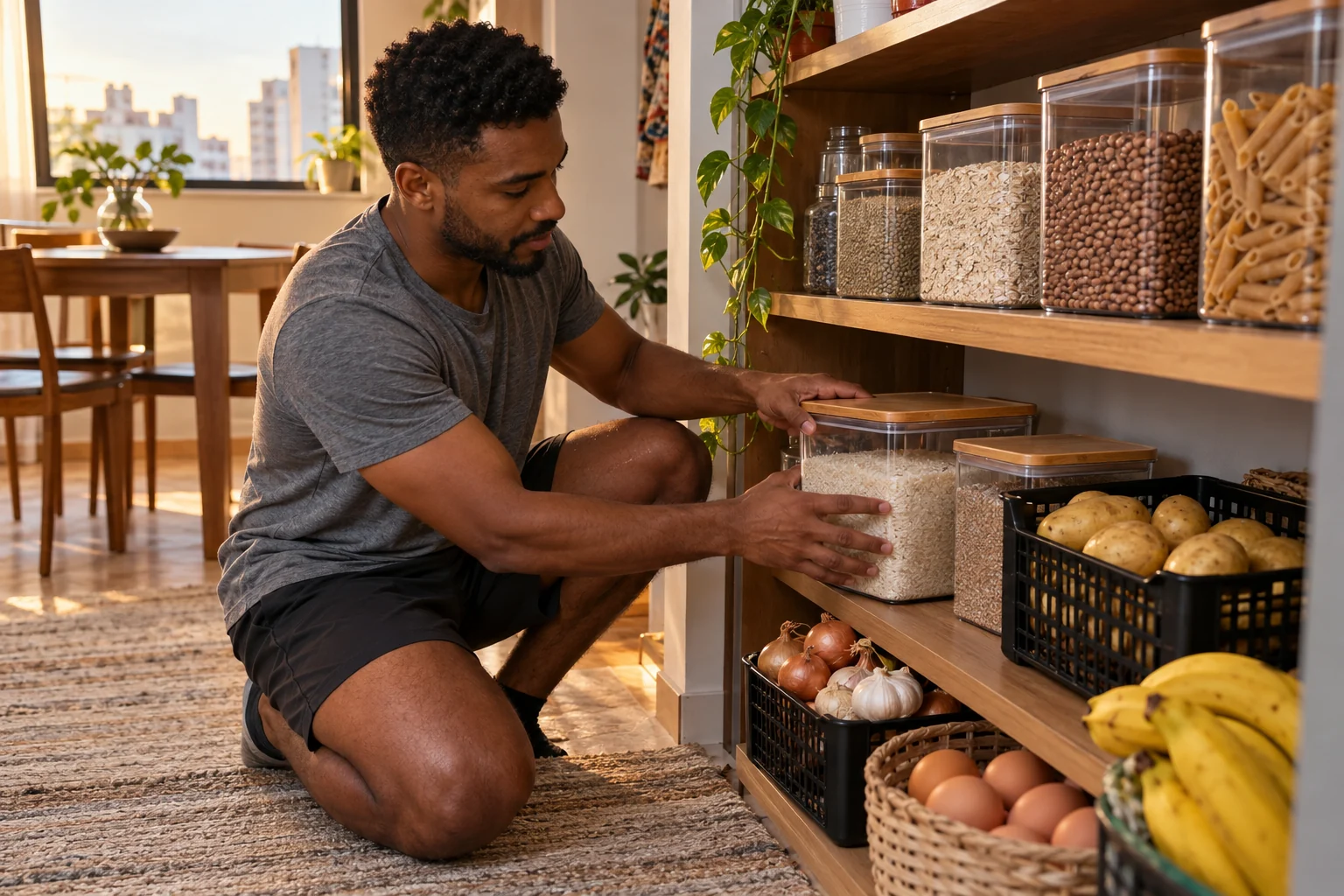
Start with frozen meats, dairy products, eggs and other products that require refrigeration, following the instructions for each pack. Separate raw meat from containers or packaging that avoid dripping and keep them away from ready food. If you divide packages into portions, use appropriate materials, remove excess air when possible and identify content and date. Then organize fruits, vegetables and vegetables as needed by each product. Dry foods should be kept in a clean, dry and protected place from heat, moisture, insects and chemicals. Do not complete containers with new product on old remains without cleaning and without checking validity. Saneantes remain in their original packaging, out of reach of children and away from food. The validity informed by the manufacturer presupposes the storage conditions indicated; after opening, there may be different guidelines and deadlines on the label. Avoid using only smell or appearance as a guarantee of safety. Finally, update the list: register what was not found, write down replacements and create the next replacement. The post-purchase organization is part of the planning, not an optional step.
Essential checklist for one or two people
Use the interactive list of this page as a base and uncheck everything that does not match your routine. The suggestion covers an initial week with simple meals: rice, beans, pasta or other usual base; eggs and two protein options; bread, oats, milk or alternative; onions, garlic, tomatoes, carrots, potatoes, leaves and fruits; salt, oil and few spices. For home, includes detergent, sponge, clothing soap, suitable product for surfaces, garbage bags, cloths, toilet paper and personal items. The quantities are deliberately moderate. Products sold only in larger packages may last longer than the first week, but this does not require increasing all items. If there is already food, cleaning or hygiene available, mark as checked and do not put it in the cart. If the house has more residents, first extend the proven consumption foods and the frequent replacement items. The checklist works better when it is reviewed with the menu, space and budget in sight; it does not replace these three decisions.
Turn the first purchase into a list that improves with use
After the first week, do not automatically repeat the same relationship. Check out what ended, what remained closed and what was discarded. Adjust quantities and register the replacement frequency. No Anota na Lista, maintain a base with recurring items, but activate only those needed in each trip to the market. Use the price and expense history available in the app to compare real purchases, remembering that brand, weight and store changes affect comparison. To continue planning, see also the other Ready Lists of the site, such as examples of simple dinners and weekly menus for two people; they help transform ingredients into meals instead of expanding the aimless stock. When sharing the purchase with another person, combine categories or update the marking during the course to avoid duplicities. The expected result is not a perfect pantry on the first day. It is a house capable of preparing basic meals, maintaining hygiene and cleaning and learning from your own consumption. A useful list becomes more accurate with each purchase.
Consulted sources and limits of this checklist
This editorial content was prepared independently for theAnota na Lista. The general guidelines on food choices consider Food Guide for the Brazilian Population, from the Ministry of Health, especially its appreciation of natural and minimally processed foods and the recognition of obstacles such as cost, time, offer and culinary skills. Information on labels, list of ingredients, validity, conservation and responsibility in the food chain was checked on the official pages of Anvisa Food Labelling and Food Health Control, including guidance to follow the conditions indicated by the manufacturer. The quantities and products presented are examples of domestic organization, non-nutritional prescription, guaranteed price or clinical recommendation. Needs related to allergies, intolerances, health conditions, children, elderly or specific diets require individual adaptation and, when appropriate, professional guidance. Prices, availability and packaging vary by region and date; review the list at the time of purchase.
Shopping list
Mark the products you already put in the cart.
Community
Comments
Create an account or do login for favorite and leave your comment.
Loading comments...