

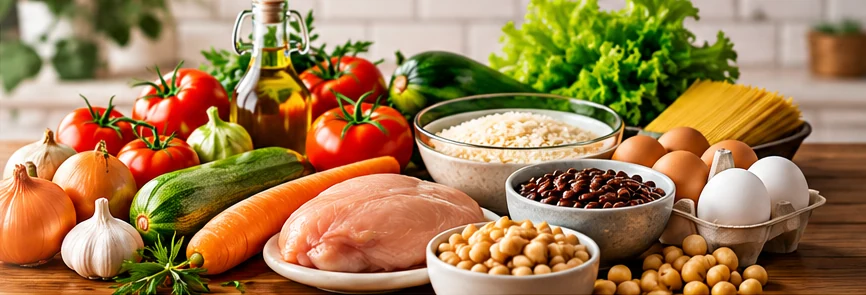
Five practical dinners for two people with shopping list
This plan brings together five dinners for two people, with objective measures, distributed preparation during the week and a unique shopping list to check before the market.
Plan before going to market
One shopping list for 5 simple dinners helps decide what to prepare before entering the supermarket. In this example, the planning serves two people from Monday to Friday, using common foods in Brazilian cuisine: rice, beans, noodles, chicken, eggs, chickpeas and vegetables. The proposal is to arrange possible meals within the house routine. Check first what is in the pantry, fridge and freezer. Then adjust the amounts to each person’s preferences and appetite, because no one needs to consume exactly the same portion. The menu contains accessible preparations, some made in a pan and others in the oven or pan. Throughout the week, ingredients such as carrot, tomato and chicken appear in different ways to reduce the risk of forgotten leftovers. The expected result is less improvised at dinner time and a more objective purchase, without compromising the variety of meals.
How the five-dinner plan works
See below the five dishes planned, one for each business day. Detailed guidelines and quantities are in the next sections. The recipes below use measures for two people, indicate the preparation order and show where each ingredient appears again. Thus, the shopping list remains linked to the actual menu of the week.
Quantities for two people: how to interpret the list
The amounts of this planning are purchase and preparation estimates, not individual nutritional recommendations. The chicken, for example, adds 800 g: approximately 450 g for Tuesday and 350 g for Friday. The six eggs are distributed between the second omelet and the farm salad. The six tomatoes can be used in two on Monday, three on Wednesday and one on Thursday. The only zucchini is divided between the fourth and the sixth. Of the three carrots, two enter the roast and one stays for the last dinner. Rice, beans and noodles are usually sold in larger packages than the amount required for a single meal, so some of these products may remain in the pantry. Consider, too, that some people prefer larger or smaller portions and that vegetable sizes vary. Before leaving to buy, check the weight of the packages and adapt the measures to the household consumption. In the five dinners, these measures serve as a practical reference and should be adjusted to the observed consumption.
What to buy and what to check in the pantry
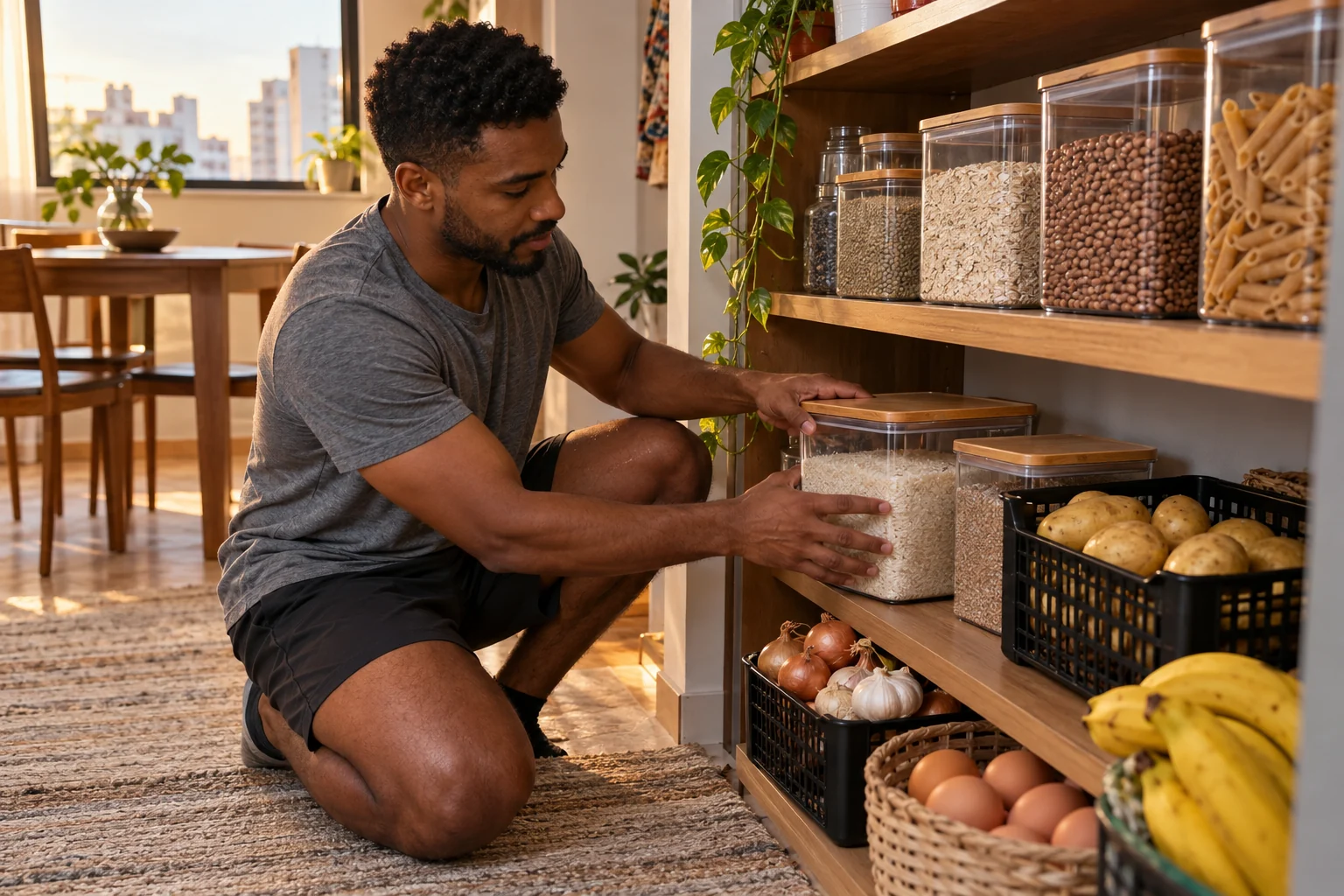
The interactive relationship next door brings together 16 product groups, but Not everything needs to get in the cart. Rice, beans and pasta may already be stored in closed containers. Oil, olive oil, salt and spices should also be checked before purchase. For the chickpea, the plan considers a ready-to-use package; if you have dried chickpeas, you can cook an equivalent amount, respecting the time of sauce and preparation indicated for the legume. Check the amount of eggs already in the refrigerator and the product’s validity. Just write down what is missing instead of repeating an automatic list without revision. If you buy beans in 500 g pack or pasta in 500 g pack, it is not necessary to cook everything at once. Keep the unused part under appropriate conditions and plan other meals with it. This difference between purchased quantity and prepared quantity is essential to avoid waste. This conference keeps the ingredients of dinners connected to what's really missing at home.
Enjoy the ingredients without repeating the same dinner
One of the main advantages of planning is to use the same food in different ways. The tomato appears in the omelette, turns sauce into pasta and completes the chickpea salad. The carrot follows the roast chicken and then enters the rice with vegetables. The zucchini is part of the sauce on Wednesday and appears again in cubies on Friday. This strategy of planned reuse of ingredients it is different from storing ready remains for many days: you distribute the use of fresh vegetables among previously chosen recipes. You can also take appropriate stalks and leaves for consumption in sautes or broths, provided they are in good condition and have been properly cleaned. When a vegetable is close to losing quality, rearrange the order of dinners to use it earlier. The menu is a flexible tool, not an unchanging commitment. The goal is to cook with what was bought, preventing small pieces of food from being forgotten at the bottom of the refrigerator. If you want to expand planning, economic weekly menu shows other combinations that reuse bases without transforming every day into the same meal. Dinners were distributed so that each vegetable has a defined use before purchase.
How to guard the chicken Tuesday and Friday safely
The chicken will be used on two different days. After purchase, separate approximately 450 g for Tuesday and 350 g for Friday in own containers, avoiding contact with ready food. The end-of-week portion shall be frozen promptly when it cannot remain refrigerated for the period indicated on the label. Anvisa advises that thawing be done under refrigeration, below 5 °C, or in the microwave when the food is cooked immediately. Don't thaw the meat on the counter. Wash hands, boards and utensils after contact with raw food and keep raw items separate from those already cooked. Cook the chicken completely, making sure the inside does not remain raw and that the liquids are clear. If the plan changes, re-evaluate product time, temperature and conditions before use.
How to store ready rice, beans and preparations
Early preparation saves time only when cooling and storage are well organized. Divide rice, beans and other preparations in clean, closed and suitable size containers, avoiding keeping a large pan out of the refrigerator. Anvisa recommends reducing the interval between preparation and consumption to the maximum, keeping food cold below 5 °C and do not leave cooked preparations for long periods at room temperature. Identify the pots with the date and keep food ready on the top shelves, separated from the raw ones. Official guidance allows up to five days for food prepared under proper refrigeration, but characteristics of the ingredient, refrigerator and handling may require earlier consumption. For longer periods, freeze appropriate portions and thaw under refrigeration. Before odor, appearance or doubtful conservation, do not use food.
Simple timing not to cook everything at once
On Sunday or the first day available, check the pantry, cook the beans that will be used on the second and separate the two portions of chicken. In the second, prepare enough rice only for the planned meal or a small additional portion that can be cooled and stored properly. On Tuesday, bake chicken, potato and carrot; keep the portion of Friday frozen. On Wednesday, first use the most mature tomatoes and half the zucchini. On the farm, sanitize the leaves near consumption and mount the salad only before serving. On Friday, thaw the chicken safely, cook and complete the rice with the remaining vegetables. This schedule distributes tasks, avoids depending on five dishes ready from the start and allows correcting the plan when the routine changes.
How to spend less without losing the usefulness of buying
Saving does not mean buying everything in large packages or automatically choosing the cheapest item on the shelf. Compare the price per kilo or unit and take into account how much will actually be used. A very large pack of lettuce, for example, does not represent an advantage if half spoils. The preference for season food can help find more affordable options, but prices change according to region, climate and offer. If the tomato is expensive, adjust the Wednesday sauce with another homemade preparation suitable to the available ingredients. If there is a chicken offer, calculate how much is in the budget and freezer before buying too much. Dry products, such as rice and beans, usually allow planning longer when stored properly. Another simple economy is to get the list ready and avoid impulse shopping. The National Cancer Institute (INCA) and the Ministry of Health provide guidance on shopping planning and valuing fresh and minimally processed foods, useful as a reference for routine. Compare the total cost of dinners, and not just the isolated price of each package.
Customize the list for the size of your home
Planning was set up for two people, but you can adapt meals. For one person, it is worth reducing perishable ingredients and taking advantage of smaller packaging when available; for four people, increase quantities according to actual consumption. It is not necessary to automatically double all seasonings and accompaniments, since these products usually yield various preparations. If the family already makes dinner out of the house on a given day, remove that meal and its exclusive ingredients. Planned quantity is not mandatory quantity: appetites, preferences, age and routine vary. Update the products in the application before leaving, especially when there is food in the freezer. The five dinners can also be distributed over other days of the week without damaging planning, provided the ingredients are stored properly. The important thing is to have a list that matches real life rather than a ready shopping relationship that you follow without question. To compare incomes and measures, see also weekly menu for two people, always adjusting to the consumption observed in your home.
Final review before going out to buy
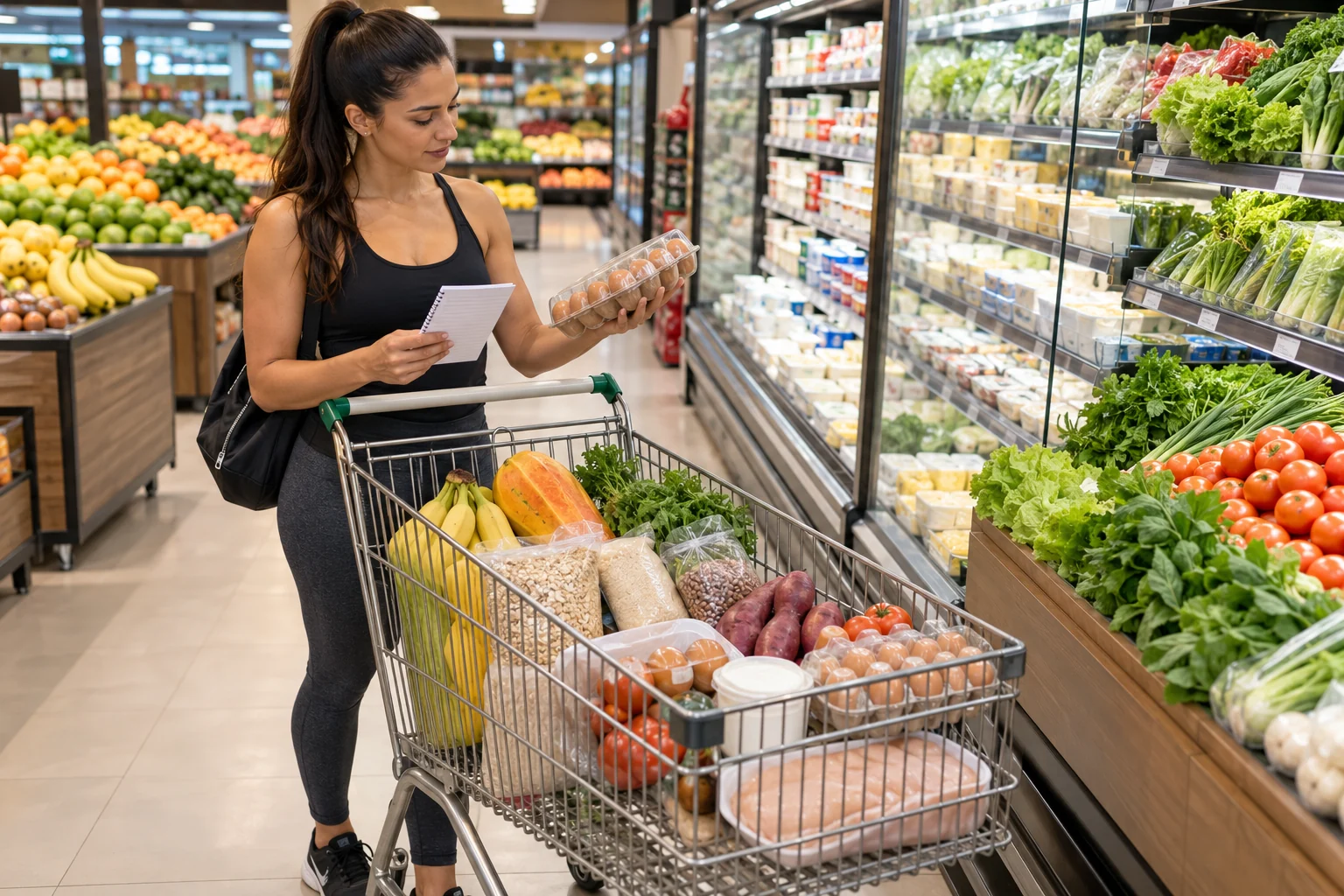
Open cabinets, refrigerator and freezer and mark what is already available. Confirm that rice, beans, noodles, oil, salt, garlic and seasonings really need to be restored. Check validity and quantity of eggs, room to freeze the chicken and condition of the vegetables that already exist at home. Then, go through each dinner mentally and confirm that all the exclusive ingredients appear on the list. Organize the purchase by sectors: vegetables, proteins, eggs and dry items. If an equivalent vegetable is cooler or at a better price, replace it without increasing the total quantity. Avoid buying large packages only at unit price when there is no forecast of use. The last conference should answer three questions: the item appears on which dish, how much it will be used and where it will be stored. The review connects each product to the planned dinners and avoids non-target items.
UseAnota na Listato accompany your shopping
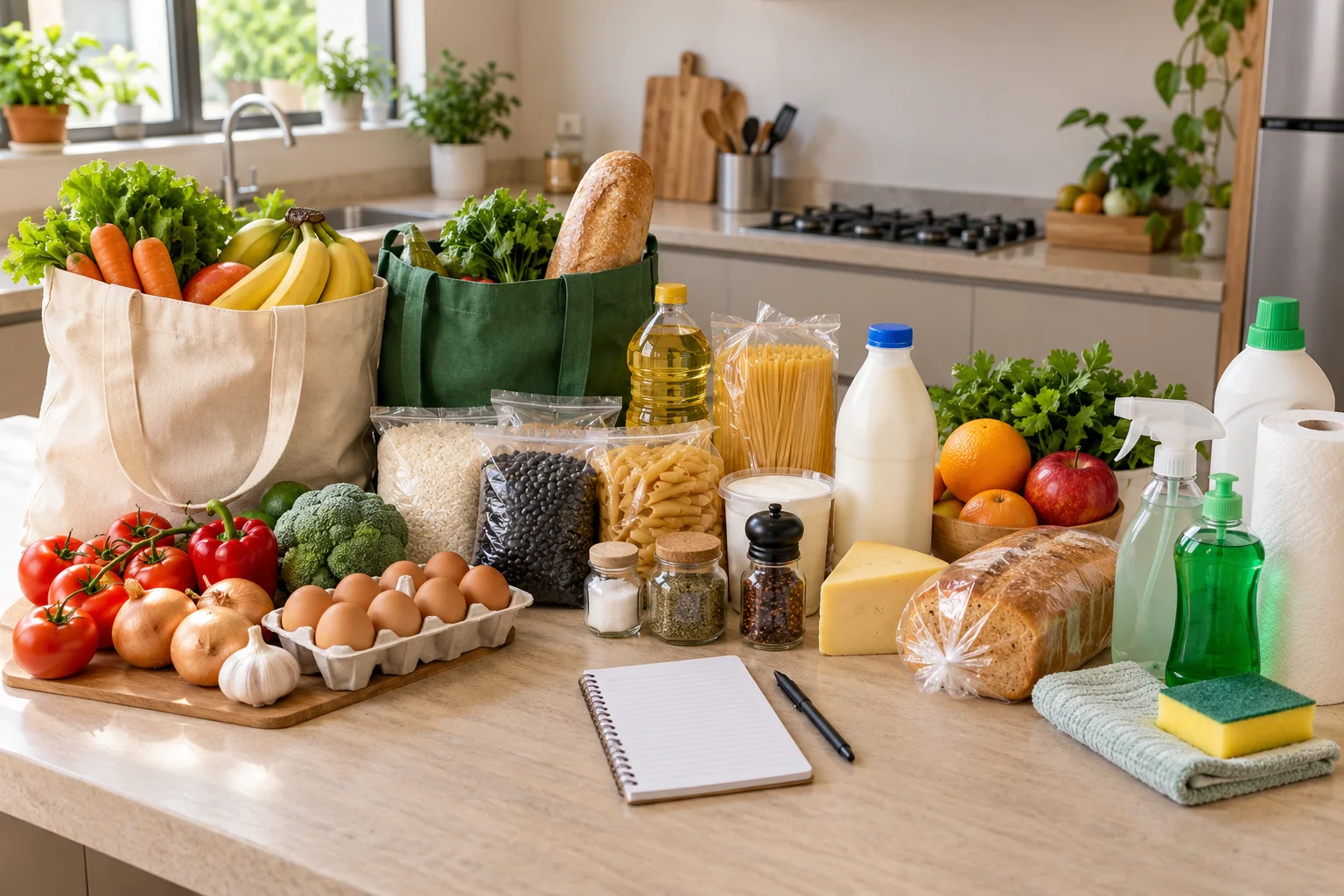
After choosing the five meals, turn planning into a simple action: check the pantry, mark what you already have and keep only the necessary products in the cart. The interactive list of this page allows you to keep track of the items while you go through the supermarket. No Anota na Lista, you can also organize recurring purchases and track prices and expenses according to the features available in the application. Before paying, review if all the ingredients of the dinners were separated and if there are extra items that were not in the planning. An efficient list should be easy to adjust when the price changes or a product is unavailable. If you usually buy accompanied, combine who will be responsible for the fresh products and the pantry items to avoid duplicities. The best list is not the longest: it is the one that helps to bring home what is necessary, respecting the budget, the preparation time and the safety of food.
Lunch and dinner menu
Monday: rice, beans and omelet with tomato
Ingredients
- 120 g of raw rice
- 180 to 220 g of cooked beans
- 4 eggs
- 2 medium tomatoes
- Onion, garlic, herbs, salt and oil available
Preparation
- Cook the rice and heat the beans already prepared.
- Beat the eggs, mix the chopped tomatoes and spices.
- Cook a large or two smaller omelet until the center is firm and serve with rice and beans.
Use only the required amount of baked beans. If you prepare the entire package, divide the rest into portions, cool and freeze properly. If anyone prefers the tomato outside the omelet, serve it as a follow-up without changing the list.
Tuesday: chicken with potatoes and carrots
Ingredients
- 450 g of raw chicken
- 4 medium potatoes
- 2 carrots
- Onions and garlic
- 1 lemon and spices available
Preparation
- Cut potatoes and carrots into pieces of similar size.
- Season the chicken and dispose of everything in an oven container.
- Bake until the vegetables are soft and the chicken is completely cooked; if necessary, start with the potatoes.
If there is no oven, cook the chicken in the pan and prepare the vegetables separately. Keep used utensils in the raw chicken away from ready food and sanitize the surfaces before continuing.
Wednesday: pasta with tomato and zucchini
Ingredients
- 180 to 200 g of dry pasta
- 3 tomatoes
- 1/2 zucchini
- Onions and garlic
- Olive oil or oil and seasonings available
Preparation
- Cook the dough as specified in the package.
- Sauce onion and garlic, add chopped tomatoes and cook until you form a rustic sauce.
- Add the zucchini in cubes, adjust the consistency with some of the pasta water and mix to the pasta.
Book the other half of the zucchini for Friday. If the tomatoes are very ripe, anticipate this dinner or use first those with less conservation time.
Thursday: chickpea salad with eggs
Ingredients
- 240 g of cooked and drained chickpeas
- 2 eggs
- 1 tomato
- Lettuce leaves
- Onion, lemon, olive oil and spices available
Preparation
- Cook the eggs completely, wait till it cools, peels and cuts.
- Drain the chickpeas and mix with tomato and onion.
- Add the sanitary leaves close to consumption, season with lemon and finish with the eggs.
Confirm on the label if the chickpea is ready for consumption. For a warm meal, warm only the legume and keep the leaves separate to preserve the texture.
Friday: rice with vegetables and shredded chicken
Ingredients
- 350 g of raw chicken
- 120 to 140 g of raw rice
- 1 carrot
- 1/2 zucchini
- Onions, garlic and spices available
Preparation
- Disengage the chicken under refrigeration when it has been frozen, cook completely and challenge.
- Prepare the rice and cook carrots and zucchini in small cubes.
- Mix the chicken already cooked to rice with vegetables, adjust the seasonings and serve.
The Friday portion does not depend on cooked meat stored since Tuesday. It must have been properly separated and stored after purchase, reducing the storage time of the dish ready.
Shopping list
Mark the products you already put in the cart.
Common questions
How much chicken do you buy for the five dinners?
The planning uses approximately 800 g of raw chicken: about 450 g on Tuesday and 350 g on Friday. Adjust to the actual household consumption.
Do we have to cook all the dinners in advance?
Nope. The schedule distributes the preparation during the week. Some bases can be advanced, provided they are cooled, stored and reheated appropriately.
How to adapt the list to four people?
Use double as a starting point for the main ingredients, but check out packaging, accompaniments and spices as per the observed consumption. Pantry products do not need to be automatically duplicated.
What to do if an ingredient is expensive or unavailable?
Swap for another who fulfills the same culinary function, recalculate the amount and update the list. Prefer replacements that already match the other dishes of the week.
Community
Comments
Create an account or do login for favorite and leave your comment.
Loading comments...